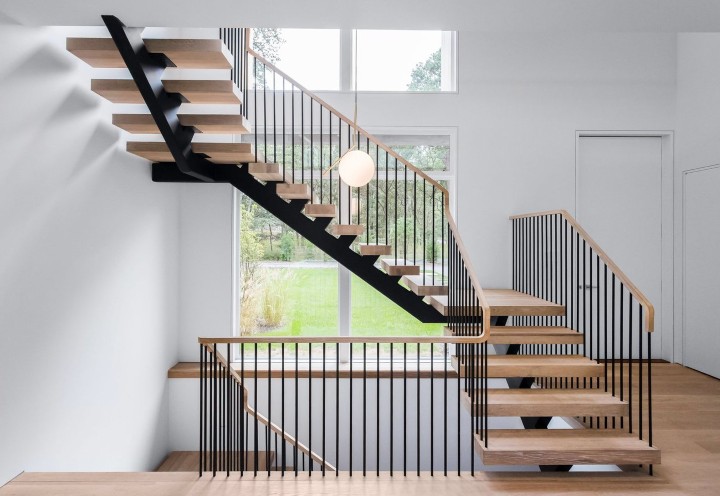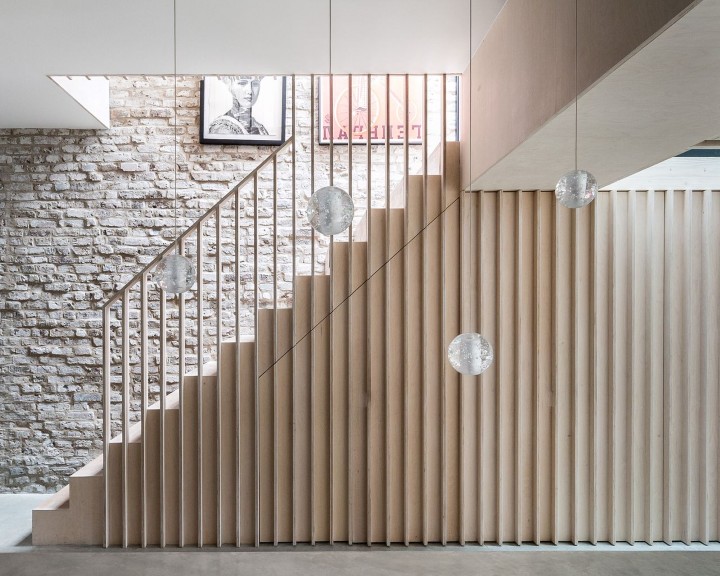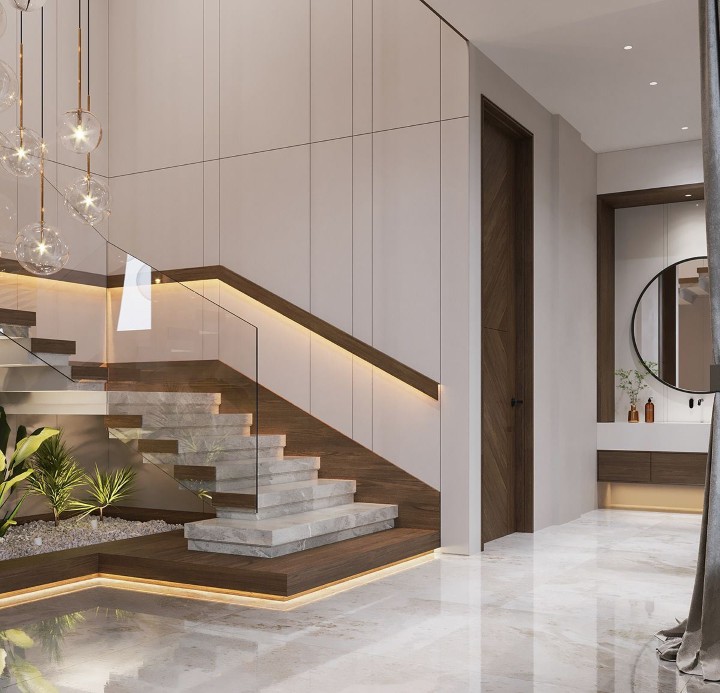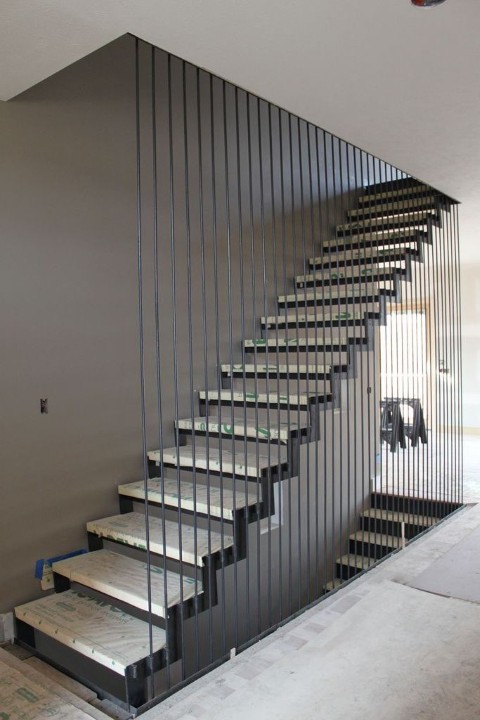
The Architectural Spine of the Home
Building a second floor is an exciting milestone in homeownership, but it introduces one of the most complex architectural challenges: the staircase. A staircase is far more than a simple utility for moving from one level to another; it is the “spine” of the house. It dictates the flow of traffic, influences the distribution of light, and often serves as the primary aesthetic centerpiece of the interior.
Unfortunately, many homeowners and DIY builders do not adequately prepare a staircase floor plan during the initial design phase. This lack of preparation can lead to cramped hallways, awkward transitions, and safety hazards. Choosing the right stair floor plan requires a balance between the physical dimensions of your house and your desired aesthetic. Whether you are working with a palatial estate or a micro-apartment, understanding the details of various stair models will help you choose the best one for your specific needs.
-
The Straight Run Staircase: The King of Efficiency
The first and most ubiquitous model is the Straight Run Staircase. As the name suggests, this design features a single, uninterrupted flight of stairs that does not change direction.
Accessibility and Cost-Effectiveness
This is the most common design you can find in modern residential construction. One of its primary advantages is that the cost for building one is among the cheapest available, making it accessible to almost any budget. Because it requires no complex landings or structural turns, the installation process is straightforward. In many cases, you only have to install a few support stringers and treads, and the staircase is ready for use.
Floor Plan Considerations
Another benefit of this staircase is that you do not need to worry excessively about the complexities of the stair floor plan. Because it follows a linear path, it is easy to align with a hallway or a single wall. It does not “eat up” wide swaths of floor space in the center of a room.
However, the primary drawback is the aesthetic simplicity. For homeowners seeking a high-drama or “jaw-dropping” architectural statement, the plain-looking design of a straight run may feel insufficient. To remedy this, many designers use high-quality materials like floating oak treads or glass railings to give the simple straight run a modern, minimalist edge.
-
The Scissor Switch (U-Shape) Staircase: The Space-Eater with a Purpose
The Scissor Switch Staircase, commonly known in architecture as a U-shaped or Half-Turn staircase, consists of two parallel flights of stairs joined by a landing that requires a 180-degree turn.
The Spatial Trade-off
For many, this kind of staircase is considered a “space-eating” design. The reason is that the footprint required for this staircase is effectively doubled compared to a standard straight run staircase. Because the stairs fold back on themselves, you need a wider area to accommodate both flights and the central landing.
Strategic Placement
Due to its large footprint, you must set the staircase floor plan very carefully. If placed in the center of a small room, it can dominate the living area and obstruct the flow of movement. However, there is a clever trick to deal with this space-eating nature: Corner or Hallway Placement. By situating the scissor switch staircase in the corner of a room or at the end of a long hallway, you utilize spaces that are rarely used for furniture or foot traffic.
The landing in a scissor switch staircase also serves as a “rest point,” making it safer and more comfortable for elderly residents or children who may find a long, continuous straight run exhausting.
-
The Winder Switch Staircase: A Curvy Alternative
The Winder Switch Staircase is a variation of the L-shaped or U-shaped design, but with a significant twist. Instead of a flat, rectangular landing, the change in direction is achieved through “winder” steps—pie-shaped treads that are wider on one side than the other.
Maximizing Style in Minimal Space
Basically, this staircase design is quite similar in layout to the scissor switch. However, if you think that this design takes more space, you are mistaken. When you create the stair floor plan for a winder switch, it often requires the exact same or even slightly less space than a scissor switch because the “turn” itself contains steps.
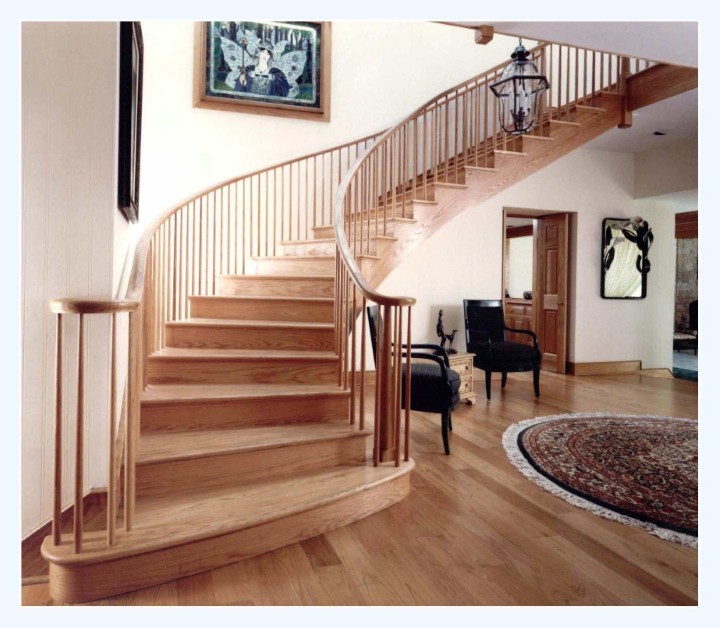
The curvy design of the railing and the flowing lines of the winder steps are highly attractive for those who want a more “organic” or traditional look. It adds a touch of sophistication that straight lines cannot provide.
The Safety Intersection Problem
The only significant problem is traffic flow. Because the treads narrow toward the center of the turn, it is difficult for two people to intersect or pass each other at the same time on the curve. In a busy household, you may need to wait for another person to descend before you can safely go up.
-
The 90-Degree Turn (L-Shape) Staircase: Small Space Solutions
The 90-Degree Turn Staircase, or L-shaped stair, is perhaps the best solution for homeowners dealing with tight, constrained floor plans.
Corner Optimization
This design features a 90-degree bend, usually achieved with a landing. The beauty of this stair floor plan is its versatility. You can easily build the plan into the corner of almost any room—the dining room, the living room, or even a large kitchen.
For a standard residential home, a 3×3 meter area is often more than enough to accommodate this design. It provides visual privacy between floors; because of the turn, you cannot see directly from the bottom of the stairs to the top. This makes it a favorite for families who want to separate the “social” ground floor from the “private” bedroom floor.
Construction Complexity
While it saves space, the building process might take a little longer than a straight run. You are essentially building two different sections of stairs on two different walls, which requires precise measurement to ensure the landing is perfectly level and the transition is seamless.
-
The Spiral Staircase: The Ultimate Space-Saver
If you find that even a 90-degree turn takes up too much room, the Spiral Staircase is the champion of efficiency.
Pre-Built Simplicity
The spiral staircase is unique because it revolves around a single central pole. In terms of efficiency, it is unbeatable. You can often purchase these as “pre-built” kits made of steel, wood, or aluminum. Because they are manufactured in a factory, you do not even need to ask “how many stairs in a floor” or calculate complex stringer angles—the kit comes with everything pre-measured.
Installation and Limitations
The installation process is incredibly fast, often taking less than a day for a professional team to finish. It is the perfect choice for loft conversions or accessing a small mezzanine. However, the spiral staircase has its drawbacks. The size tends to be very small, making it impossible for two people to pass each other. Furthermore, moving large furniture (like a mattress or a desk) up a spiral staircase is nearly impossible. For this reason, it is often used as a “secondary” staircase rather than the main one.
-
The Gallery Stairs: Luxury and Grandeur
A home’s staircase is more than a functional connector between floors. In luxury architecture, it is often the emotional centerpiece of the entire interior. Among all staircase designs, the Gallery Staircase—also known as a Bifurcated or Grand Staircase—stands at the very top of prestige, scale, and visual impact.
This staircase style is not designed for modest spaces or limited budgets. Instead, it exists for homeowners who want to make a bold architectural statement, elevate property value, and create a sense of arrival the moment someone steps through the front door.
In this guide, we’ll explore what a Gallery Staircase is, why it commands such attention, when it makes sense to build one, and how much it realistically costs. The goal is to help homeowners, designers, and builders understand whether this iconic staircase is a dream worth pursuing—or an investment best reserved for specific homes.
What Is a Gallery Staircase?
A Gallery Staircase is a large-scale stair design that typically begins with one wide central flight that rises to a generous landing, then splits into two symmetrical staircases that continue upward in opposite directions.
This design is commonly seen in:
- Luxury mansions
- Historic estates
- Grand hotels and theaters
- High-end modern residences with oversized foyers
Because of its dramatic symmetry and openness, it is often referred to as:
- Bifurcated Staircase
- Grand Staircase
- Formal Gallery Stair
Unlike standard staircases that hug walls or hide in corners, a gallery staircase is meant to be fully visible from multiple angles, especially from the main entryway.
Why Gallery Staircases Are Associated with Luxury
-
Architectural Presence
The first reason gallery staircases symbolize luxury is scale. Everything about this design is oversized:
- Wider treads
- Taller risers
- Expansive landings
- Long sightlines
This scale creates a sense of openness and importance that smaller staircases simply cannot replicate.
When guests enter a home and immediately see a sweeping staircase rising in front of them, it sends a clear message: this home was designed to impress.
-
Symmetry and Balance
Humans naturally respond to symmetry. A bifurcated staircase provides perfect visual balance, making spaces feel organized, intentional, and elegant.
Architecturally, symmetry:
- Enhances perceived value
- Creates harmony in large spaces
- Makes foyers feel grand rather than empty
This is one reason gallery staircases are frequently used in formal, classical, and luxury modern designs.
-
Opportunity for Ornate Details
Because gallery staircases are designed to be seen, they invite craftsmanship. Homeowners often use this staircase to showcase:
- Hand-carved wood railings
- Wrought iron or brass balusters
- Custom newel posts
- Stone, marble, or hardwood treads
- Decorative wall paneling or murals
In many homes, the staircase becomes a functional piece of art.
The Requirement for Vast Space
Why Size Matters
A gallery staircase cannot be squeezed into a small or medium home. This design requires significant square footage, particularly in the entry foyer.
In most cases, you will need:
- Ceiling heights of 18–24 feet
- A foyer width of at least 12–16 feet
- Enough depth to accommodate the landing and split flights
Without adequate space, the staircase will feel cramped, awkward, or overwhelming.
Ideal Home Types for Gallery Staircases
This staircase works best in:
- Custom-built luxury homes
- Homes larger than 3,500–4,000 sq ft
- Properties with double-height entryways
- Homes designed with open floor plans
Trying to force a gallery staircase into a smaller home often leads to poor proportions and wasted space.
Structural Complexity: Why This Staircase Costs More
Advanced Engineering Requirements
Unlike straight or L-shaped staircases, a gallery staircase places significant structural load at the landing where the stairs split.
This requires:
- Reinforced framing
- Steel or engineered wood supports
- Precise load calculations
- Experienced stair builders and structural engineers
Because mistakes can compromise safety, this is not a project for inexperienced contractors.
Custom Construction, Not Prefabrication
Most gallery staircases are custom-built on site. Prefabricated options are rare due to:
- Unique dimensions
- Custom materials
- Structural variations
Customization increases both labor time and cost.
How Much Does a Gallery Staircase Cost?
Base Cost Estimates (United States)
The cost of a gallery staircase varies widely depending on materials, detailing, and location. Below are realistic professional estimates.
| Staircase Type | Estimated Cost |
| Basic bifurcated staircase | $25,000 – $40,000 |
| Mid-range luxury design | $40,000 – $70,000 |
| High-end custom gallery staircase | $70,000 – $120,000+ |
These prices typically include:
- Structural framing
- Stair construction
- Railings and balusters
- Basic finishing
They may not include premium materials or decorative upgrades.
Cost Breakdown by Category
-
Structural Engineering & Framing
$5,000 – $15,000
This includes:
- Engineering plans
- Load calculations
- Reinforced framing
Homes with second-floor balconies or open galleries may require additional reinforcement.
-
Stair Treads & Risers
$6,000 – $25,000
Material choices heavily affect price:
- Hardwood (oak, maple): Moderate cost
- Walnut or exotic woods: High cost
- Marble or stone: Premium pricing
-
Railings & Balusters
$8,000 – $35,000+
This is often the most expensive visual element:
- Standard wood railings: Lower range
- Wrought iron or brass: Mid to high range
- Hand-forged or custom designs: Premium
-
Labor & Installation
$6,000 – $20,000
Gallery staircases require:
- Skilled carpenters
- Precision installation
- Extended build time
When Is a Gallery Staircase Worth It?
It Makes Sense If:
- Your home has a large, open foyer
- You plan to stay long-term or build a legacy home
- You want maximum visual impact
- Property value and prestige matter
It May Not Be Ideal If:
- Your home is under 3,000 sq ft
- Budget is limited
- You prefer minimal or understated interiors
A gallery staircase is a statement investment, not a practical upgrade.
Why Homeowners Still Choose This Design
Despite the cost, many homeowners still choose gallery staircases because:
- They dramatically increase perceived home value
- They photograph beautifully for listings
- They create a lasting first impression
- They define luxury without words
In high-end real estate, a grand staircase often becomes the home’s most memorable feature.
-
Technical Considerations: The Math Behind the Stairs
Regardless of which model you choose, every stair floor plan must adhere to strict mathematical rules to ensure safety and comfort.
The Rule of Treads and Risers
In the world of architecture, we use specific formulas to ensure a natural walking gait. A common rule is that two risers plus one tread should equal approximately 24 to 25 inches ($2R + T = 25$”).
- Riser: The vertical height of each step (usually 7 to 7.5 inches).
- Tread: The horizontal depth where you place your foot (usually 10 to 11 inches).
Headroom Clearance
A common mistake in DIY stair planning is forgetting about headroom. You must ensure at least 6 feet 8 inches of vertical clearance between the edge of the stair tread and the ceiling above it. Without this, tall residents will constantly be ducking as they move between floors.
-
Material Selection: Matching Your Interior Style
The materials you choose for your staircase floor plan will define its final character.
- Wood: Offers warmth and a classic feel. Oak and Maple are popular for their durability.
- Metal: Perfect for the Industrial or Modern aesthetic. It is often used in Spiral and 90-degree turn designs for its thin, sleek profile.
- Glass: Frequently used in modern “Straight Run” stairs to create a sense of weightlessness.
- Concrete: Best for “Gallery” or outdoor stairs where a sense of permanence and “Brutalist” style is desired.
-
Maximizing the “Dead Space” Under the Stairs
In a small house, the area under the stairs is precious real estate. A modern stair floor plan should include a strategy for this space.
- Storage: Install custom-pull-out drawers for shoes or seasonal items.
- Home Office: A small desk and chair can easily fit under a Straight Run or 90-degree staircase.
- Powder Room: A small “half-bath” can often be tucked under the landing of a Scissor Switch staircase.
-
Safety and Building Codes
Before you finalize your plan, you must consult local building codes. These codes dictate:
- Handrail Height: Usually between 34 and 38 inches.
- Baluster Spacing: To prevent children from getting stuck, most codes require that a 4-inch sphere cannot pass between balusters.
- Landing Depth: Landings must typically be at least as wide as the staircase itself.
Recommendations for Homeowners
If you are currently in the planning phase, I recommend taking the following steps:
- Audit Your Space: Use a tape measure to mark out the footprint of a potential staircase on your floor using painter’s tape. This will give you a “real-world” feel for how much space a Scissor Switch or 90-degree turn will actually occupy.
- Prioritize Safety over Style: While a Winder or Spiral staircase looks amazing, consider who will be using it. If you have young children or elderly parents, a Straight Run or 90-degree turn with a flat landing is significantly safer.
- Think About Furniture: If the staircase is the only way to the second floor, ensure the width is at least 36 inches. Anything narrower will make moving beds and wardrobes an impossible task.
- Consult a Professional: A staircase carries significant weight. Even if you are a confident DIYer, having a structural engineer or a professional stair builder review your floor plan can save you from costly and dangerous structural failures.
Conclusions
In conclusion, the best stair floor plan is the one that respects the physical constraints of your house while enhancing your daily life. The Straight Run is the hero of the budget-conscious, while the 90-degree turn is the master of the corner. If space is at an absolute premium, the Spiral staircase offers a compact solution, whereas the Gallery stairs provide the ultimate luxury for those with room to spare.
By understanding the technical details—from the riser-tread ratio to the importance of headroom—you can transform a simple transition into a stunning architectural feature. Whether you want something simple and functional or grand and decorative, there is a staircase model that fits your house size and your personal style perfectly. Start your planning today, and watch as your second floor becomes a seamless and beautiful extension of your home.