The Psychology of Light
Having a cozy house means more than just having comfortable furniture and soft rugs; it requires the perfect lighting to set the mood. Lighting is the unsung hero of interior design. It has the power to change a cold, sterile room into a warm sanctuary, or a small, cramped hallway into a grand gallery. That is why it is critically important for you to find the best types of lighting fixtures to use at home.
It is true that not many people realize the impact of layering light. They often rely on a single overhead bulb, which can create harsh shadows and a flat atmosphere. Yet, once you choose the right lighting fixtures for every specific room in your house, you will realize that things change for the better. The texture of your walls stands out, the colors of your art pop, and your overall well-being improves. If you are wondering what kind of lighting fixtures you can use to make your house feel more comfortable and sophisticated, explore these essential categories below.
-
Track Lighting Fixture: The Gallery Effect
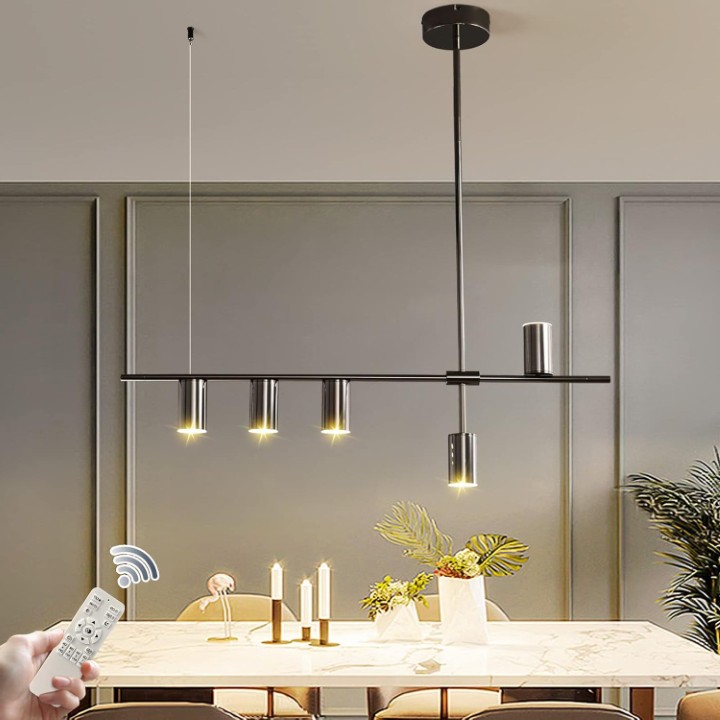
The first type of lighting fixture that deserves attention is the Track Lighting Fixture. This design is actually quite simple in concept but powerful in execution. It consists of a continuous track that conducts electricity, allowing you to attach multiple light heads that can be moved and aimed in different directions.
Versatility and Focus
The installation process is straightforward since you just need to mount the track to the ceiling or wall. After that, you can clip on small adjustable bulbs or “heads.” The primary idea of this fixture is to highlight specific things on your wall or in your room. It is like you are creating a display room of your own art gallery.
Best Use Cases
Track lighting is perfect for living rooms where you want to highlight a fireplace, a piece of artwork, or a bookshelf. It is also excellent in modern kitchens with long islands, where you can direct light exactly where you are chopping vegetables. Because the heads are adjustable, if you rearrange your furniture, you can simply re-aim the lights without calling an electrician.
-
Recessed Lighting Fixture: The Invisible Illuminator
The second option is the Recessed Lighting Fixture, often referred to as “can lights” or “downlights.” This kind of fixture has nothing to do with school recess; rather, it refers to the fact that the fixture is “recessed” or hidden into the ceiling.
Creating Clean Lines
The types of lighting fixtures in this category surely offer the ambient light you need when you want to rest your body, mind, and soul. Because the fixture is installed flush with the ceiling, it makes rooms feel taller and larger. You need to make holes in the ceiling drywall to place the housing canister and the bulb.
Zoning with Light
Recessed lighting is the backbone of modern lighting design. It provides “general” or “ambient” lighting. By installing them on a dimmer switch, you can control the intensity of the entire room. This idea gives the ambiance that you need with the lighting focus on specific spots. For example, you can create a “wall wash” effect by placing recessed lights close to a wall to highlight its texture, or use them in a grid pattern to evenly light a large open-concept living area.
-
Under-Cabinet Lighting Fixture: The Kitchen’s Best Friend
This kind of fixture is exactly as the name implies. The basic idea is actually very similar to recessed lighting in that it is meant to be unobtrusive. However, you are not using the ceiling as the fitting place for the bulbs. You are using the bottom parts of your hanging wall cabinets.
Functional Task Lighting
In a kitchen, overhead lights often cast a shadow on the counter when you stand at it. Under-cabinet lighting solves this by bathing the countertop in bright, shadow-free light. You can choose from “puck lights” (small round discs) or LED tape strips that run the entire length of the cabinet.
Aesthetic Value
This kind of lighting will give more ambiance inside the room, serving as a beautiful nightlight when the main lights are off. It adds depth to the kitchen and highlights your backsplash tile. Besides that, modern LED versions last for years, so you do not need to worry about replacing bulbs frequently. Is that not something nice to have?
-
Floor Lamp: The Portable Statement Piece
This is something very simple, yet incredibly effective. As a matter of fact, all the people in the world are able to utilize this fixture because it requires no installation—just a plug socket. It is because you just need to choose one kind of floor lamp and place it in any room that you want in your house.
More Than Just a Lamp
However, you should not take these types of lighting fixtures lightly. A floor lamp can be the main sculptural point in a room. From “arc lamps” that swoop over a sofa to “torchiere lamps” that bounce light off the ceiling to brighten the whole room, the options are endless.
The Reading Nook
One classic example is the reading or studying room. Believe it or not, reading a book on a comfy armchair under a dedicated floor lamp will boost your intellectual look and save your eyes from strain. It creates a “zone” within a larger room, defining that space specifically for relaxation.
-
Table Lamp: The Jewel of the Room
This one is as simple as the floor lamp. Even though it is smaller, it is also as magnificent in its ability to add character. The reason is quite similar: portability and variety. There are a lot of different models that you can try for the table lamp—from ceramic and glass bases to metallic and wooden ones.
Layering Light
All of those models have their own purpose. That is why these types of lighting fixtures have a lot of enthusiasts. You cannot deny that this kind of lamp fixture is something that you can surely apply in all of the rooms in your house.
- Living Room: Used on side tables to create a warm conversation area.
- Bedroom: Essential on nightstands for reading and waking up gently
- Bathroom: There are even some small, moisture-rated table lamps meant for the bathroom vanity to add a spa-like feel.
-
Chandelier Lighting Fixture: The Crown Jewel
Who does not want high-quality chandelier lighting fixtures? Historically a symbol of wealth, today, all people in the world can find a chandelier to fit their budget and style. This kind of lighting fixture is the definition of a “statement piece.”
Setting the Tone
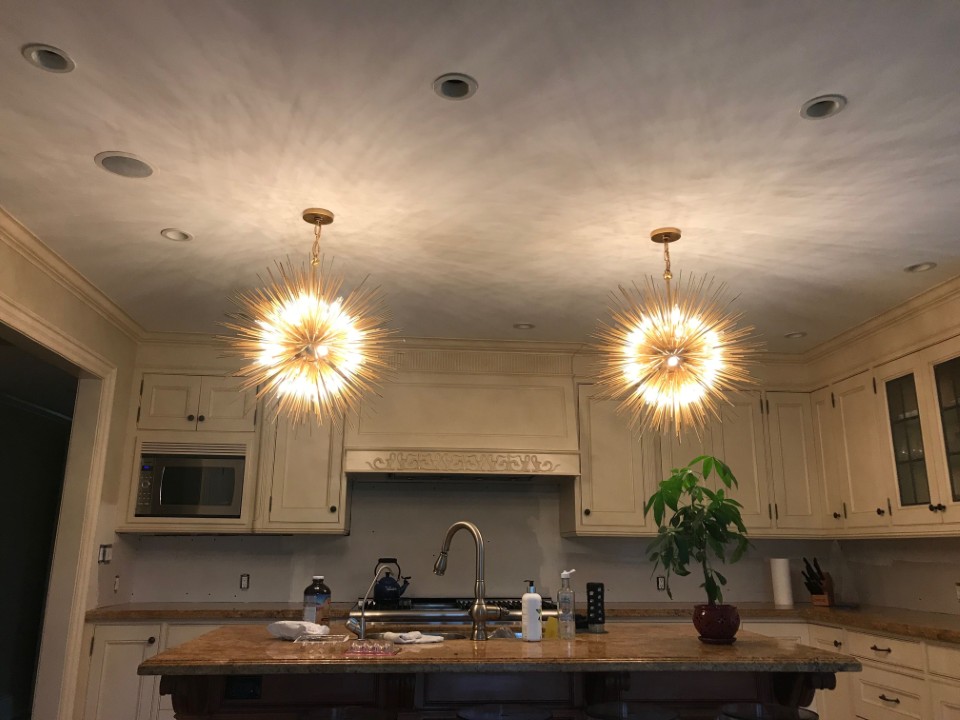
The fixture gives a classic but luxurious looking design inside the room. Whether you choose a traditional crystal design that refracts light into rainbows or a modern “Sputnik” style with metal arms, the chandelier commands attention.
Mood Control
As an addition to that, you can set the brightness of the lights to match your need. It is essential to put a chandelier on a dimmer switch. If you want a brighter room for a family game night, you can turn it up. Or else, if you want something dimmer for a romantic dinner, you can lower the light level. Choosing the right bulbs—like “Warm White” (2700K) or “Soft Yellow”—is always a great option to try for a cozy atmosphere.
-
Wall Sconces Fixture: The Space Saver
Another great lighting fixture that you can try is the wall sconce. Some people call these types of lighting fixtures “wall-mounted lights.” That is not wrong since this lighting fixture is indeed mounted directly onto the vertical surface of the wall.
Indoor vs. Outdoor
For your information, this kind of lighting fixture was traditionally popular for outdoor needs, flanking the front door or garage. At least, the fixture is something better for your outdoor wall to provide security and curb appeal.
However, nowadays you can find some different designs for wall sconces to apply for indoor needs.
- Bathroom: Placed on either side of a mirror, they provide the best lighting for applying makeup or shaving because they eliminate shadows on the face.
- Bedroom: Installed as “swing-arm” sconces beside the bed, they free up space on the nightstand.
- Hallway: They add rhythm and interest to long, boring corridors.
-
Ceiling Light Fixture (Flush & Semi-Flush): The Generalist
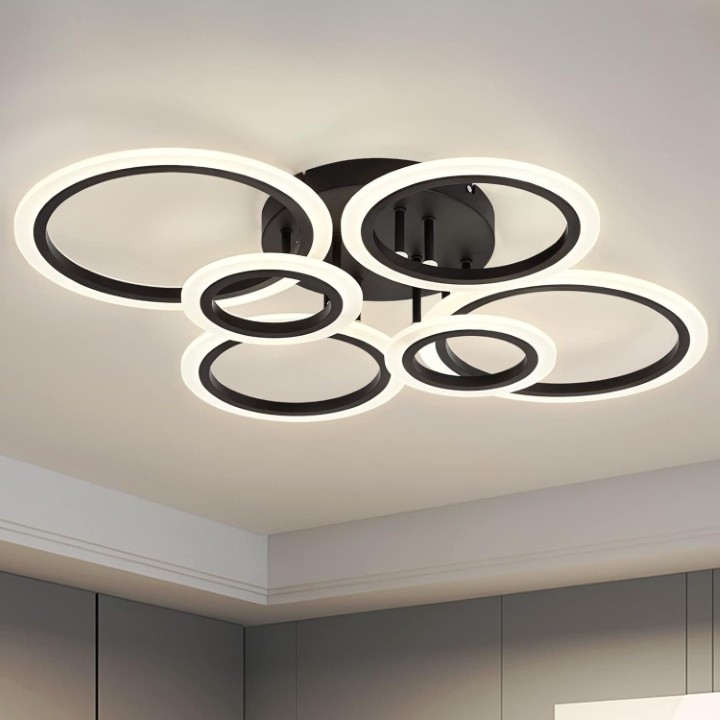
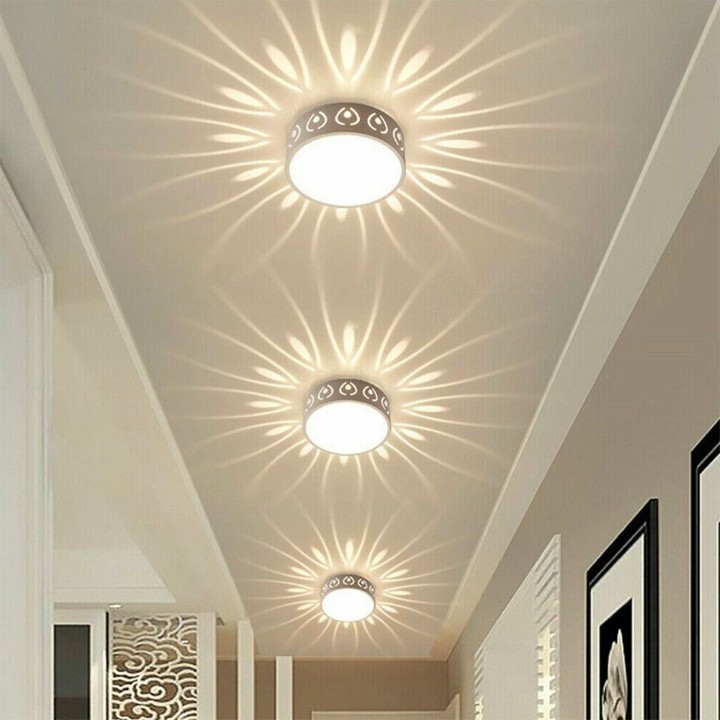
The next one is the ceiling light fixture, which can be considered as something very common in many places around the world. These are fixtures that mount directly to the ceiling (flush mount) or drop down just slightly (semi-flush mount).
Solving Low Ceiling Problems
This kind of fixture is very simple, but some of them give a very great impression inside the house. They are the perfect solution for rooms with standard or low ceilings (under 8 feet) where a hanging chandelier would be in the way.
Modern Aesthetics
Some people did not stop on the regular “boob light” (the basic glass dome). There are a lot of nice and fancy ceiling types of lighting fixtures that you can find on the net today—geometric shapes, fabric drums, and mixed metals. So, if you are looking for something interesting and attractive that provides strong general illumination, you need to try to find a unique-looking flush mount ceiling fixture.
-
Cove Lighting Fixture: The Architectural Secret
The cove lighting fixture is the last one on the list of types of lighting fixtures that you can try at home, but it is certainly not the least. This lighting fixture is placed last because of the high quality and dramatic impression that you can get from it.
Indirect Elegance
Cove lighting is a form of “indirect lighting.” It is usually built into ledges, recesses, or valances in a ceiling or high on the walls of a room. You can use almost any kind of linear lighting model—usually LED rope or tape lights—since the bulbs are well hidden in the cove area that you have made before. The light bounces off the ceiling and washes down the walls, creating a soft, glowing halo effect without any glare.
The Renovation Requirement
Unfortunately, to make this kind of lighting fixture, you usually need to remodel your wall or ceiling to build the physical “cove” or shelf where you will place the bulbs. That is why you might need to spend more of your money to create these amazing lighting fixture ideas at home. However, the result is a high-end, hotel-like luxury that is unmatched by any other fixture.
-
Pendant Lights: The Stylish Drop
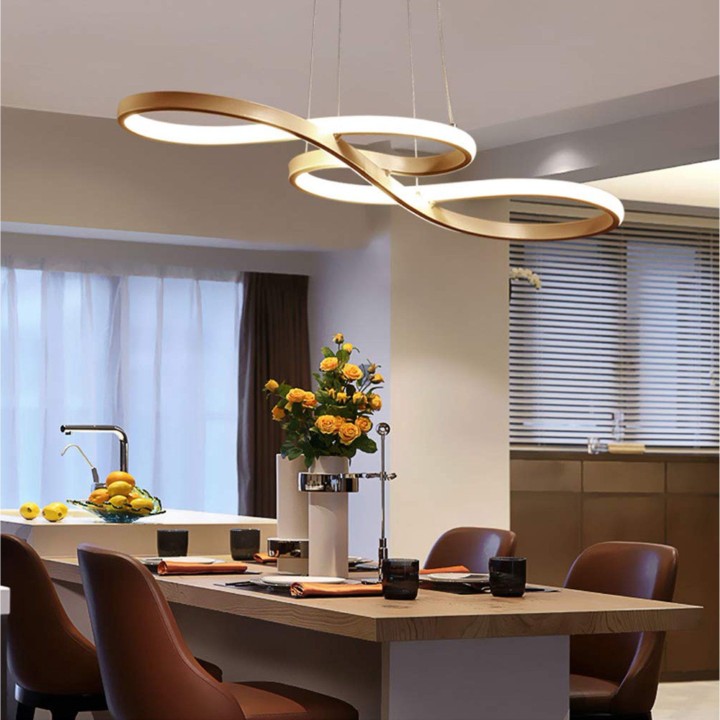
While not in the original list, no modern lighting guide is complete without mentioning Pendant Lights. These are similar to chandeliers but usually consist of a single light source hanging from a cord, chain, or metal rod.
The Rule of Three
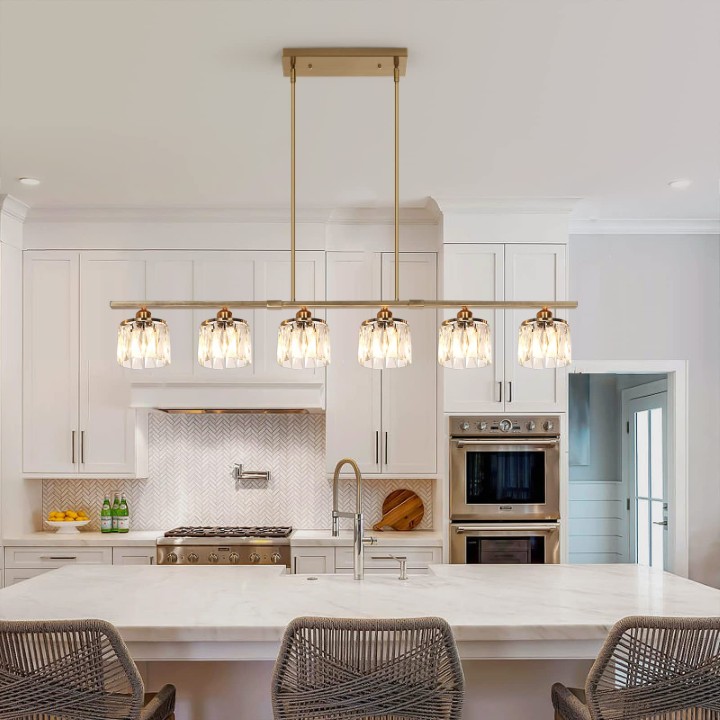
Pendant lights are most famous for their use in the kitchen. They look stunning when hung in a row of three over a kitchen island or a dining table. They act as “jewelry” for the room, bridging the gap between the ceiling and the furniture. They provide “downlighting” for tasks while looking incredibly stylish.
Understanding Color Temperature: The Hidden Key to Perfect Home Lighting
Lighting is often treated as an afterthought in home design—something you install at the end, just to make sure a room isn’t dark. In reality, lighting is one of the most powerful tools you have to shape how a space looks, feels, and functions. Even the most expensive furniture and décor can fall flat under the wrong lighting, while a modest room can feel warm, elegant, and intentional with the right light.
One of the most misunderstood aspects of lighting is color temperature, measured in Kelvin (K). Many homeowners choose bulbs based on brightness alone, only to end up with rooms that feel too yellow, too blue, or strangely uncomfortable. Understanding Kelvin is the difference between a home that merely looks “lit” and one that feels truly welcoming.
This guide will walk you through what color temperature is, why it matters, when to use each range, and how to apply it room by room—along with practical recommendations and real-world price expectations.
What Is Color Temperature (Kelvin)?
Color temperature describes the appearance of light, not how hot the bulb is. It is measured in Kelvin (K) and ranges from warm yellow tones to crisp blue-white light.
A common misconception is that higher Kelvin means “brighter.” In reality, brightness is measured in lumens, while Kelvin only describes the color of the light.
- Lower Kelvin (2700K–3000K) = warm, yellowish light
- Mid-range Kelvin (3500K–4100K) = neutral to cool white
- Higher Kelvin (5000K–6500K) = daylight or bluish white
Choosing the wrong Kelvin can affect mood, comfort, productivity, and even sleep patterns.
The Three Main Color Temperature Ranges Explained
-
2700K–3000K: Warm White (Cozy & Inviting)
What it looks like:
Soft yellow light, similar to candlelight or traditional incandescent bulbs.
Why it works:
Warm white lighting promotes relaxation. It reduces eye strain and creates a sense of comfort and intimacy. This is the type of light most people instinctively associate with “home.”
Best used in:
- Living rooms
- Bedrooms
- Dining rooms
- Hallways
- Hotels, cafés, and lounges
When to avoid it:
Task-heavy areas like kitchens or bathrooms where clarity and precision matter.
Typical price range:
- LED bulbs: $3–$10 per bulb
- Table or floor lamps with warm LED included: $40–$200
- Decorative fixtures (pendants, chandeliers): $120–$1,500+
Pro tip:
If you want your living room to feel expensive and cozy, combine 2700K bulbs with dimmers. Even budget fixtures look luxurious when the light is warm and adjustable.
-
3500K–4100K: Cool White (Clean & Functional)
What it looks like:
Neutral white with a slight cool edge—less yellow, more clarity.
Why it works:
This range improves visibility and contrast without feeling overly harsh. It keeps colors accurate and makes spaces feel fresh and clean.
Best used in:
- Kitchens
- Bathrooms
- Laundry rooms
- Home offices
- Workspaces
When to avoid it:
Bedrooms and relaxation zones, where it can feel sterile or clinical.
Typical price range:
- LED bulbs: $4–$12 per bulb
- Under-cabinet LED strips: $20–$80 per section
- Bathroom vanity lights: $80–$400
Pro tip:
In kitchens, pair 4000K under-cabinet lighting with slightly warmer ceiling lights (3000K). This layered approach balances function and comfort.
-
5000K–6500K: Daylight (Bright & Energizing)
What it looks like:
Bright white with blue undertones, similar to midday sunlight.
Why it works:
Daylight bulbs increase alertness and visual sharpness. They’re excellent for detail-oriented tasks and areas where accuracy matters.
Best used in:
- Garages
- Workshops
- Basements
- Reading lamps
- Craft rooms
When to avoid it:
Living rooms and bedrooms—this light can feel harsh and emotionally cold.
Typical price range:
- LED bulbs: $5–$15 per bulb
- Shop lights: $30–$150
- Desk lamps: $25–$120
Pro tip:
Use daylight bulbs selectively. One 5000K desk lamp is helpful; a whole room in 6500K can feel like a hospital.
Why Lighting Is More Than Just Illumination
Lighting affects:
- Mood and emotional comfort
- Sleep quality and circadian rhythm
- Perception of space size
- Color accuracy of furniture and walls
Poor lighting choices can make rooms feel:
- Smaller than they are
- Unwelcoming or cold
- Inconsistent from one area to another
Good lighting, on the other hand, quietly guides how people feel and behave in your home.
Understanding the Three Layers of Lighting
A professionally designed room never relies on a single light source. Instead, it uses three layers of light:
-
Ambient Lighting (General Light)
This is the main light source that fills the room.
- Ceiling fixtures
- Recessed lights
- Flush mounts
Recommended Kelvin:
2700K–3000K for living spaces, 3500K–4000K for functional areas.
-
Task Lighting (Purpose-Driven Light)
Designed to help you see clearly while performing specific tasks.
- Table lamps
- Under-cabinet lights
- Desk lamps
Recommended Kelvin:
3500K–5000K depending on the task.
-
Accent Lighting (Decorative & Dramatic)
Adds depth and highlights architectural or decorative features.
- Track lighting
- Wall washers
- Cove lighting
Recommended Kelvin:
Match or slightly warmer than ambient light for a cohesive look.
Practical Recommendations for Homeowners
-
Layer Your Light
Never rely on one ceiling light. A well-lit room feels balanced when ambient, task, and accent lighting work together.
-
Install Dimmers Everywhere
This is one of the cheapest upgrades with the biggest impact.
- Dimmer switch cost: $15–$60
- Professional installation: $50–$150 per switch
Dimmers allow one room to serve multiple moods—from bright and functional to soft and intimate.
-
Scale Matters More Than You Think
A fixture that’s too small looks accidental.
Chandelier sizing rule:
Add the room’s length and width (in feet).
That number (in inches) ≈ ideal chandelier diameter.
Example:
12 ft × 14 ft room → 26-inch chandelier
-
Be Careful with Integrated LEDs
Many modern fixtures have built-in LEDs that cannot be changed.
Before buying, check:
- Color temperature (Kelvin)
- Dimmability
- Expected lifespan (usually 25,000–50,000 hours)
Integrated LED fixtures range from $100 to $2,000+, so choosing the wrong color temperature can be an expensive mistake.
When to Start and How to Plan
Start one room at a time:
- Identify how the room is used
- Locate dark corners
- Decide which activities need task lighting
- Choose a color temperature that supports those activities
Lighting should solve a problem first—then add beauty.
Final Thoughts: Lighting That Feels Like Home
Lighting is not just a utility; it is the emotional foundation of your interior design. By understanding color temperature, layering your light sources, and choosing fixtures that match both function and mood, you can transform how your home feels—without major renovations.
When done right, lighting doesn’t scream for attention. It quietly supports every moment, making your house feel warmer, calmer, and unmistakably like home.