The Challenge of Modern Home Improvement
Home improvement has long been a daunting challenge for every homeowner to tackle. By intentionally improving the look of your home, you can gain a completely new perspective on your living space, leaving you feeling refreshed and inspired. However, the process is notoriously tricky; when it comes to enhancing the interior of your house, you are faced with seemingly limitless options to consider.
On one hand, you might simply need to rearrange your existing furniture to find a better flow. On the other hand, it might take something as subtle as adding a high-quality area rug to introduce much-needed texture. In more extreme cases, however, bringing down an entire structural wall might be required—an endeavor that quickly escalates into a full-on renovation instead of a simple cosmetic update. It is this unpredictable and often expensive nature of home improvement that makes it a literal challenge for every homeowner to handle effectively.
The Psychology and Complexity of Interior Design
Here is the reality: the interior of your home is a very delicate entity. It is fundamentally different from the exterior, which is architecturally built to withstand the elements and anything the environment throws at it. As such, the outside part of your house can remain virtually unchanged for years, or even decades, provided you have maintained it well.
Conversely, you spend the vast majority of your life inside the house. It only makes sense that you should do something every now and then to improve its aesthetic so that boredom can be kept at bay. It is a complicated balance; you wouldn’t want to return to a space that feels stagnant or uninspiring after a long, tiresome day at work. Redecorating your interior design has a profound impact on the psychological side of your overall wellbeing, influencing your mood and productivity. But the complexity doesn’t end there—not even remotely.
The Financial Hurdle: Reality vs. Imagination
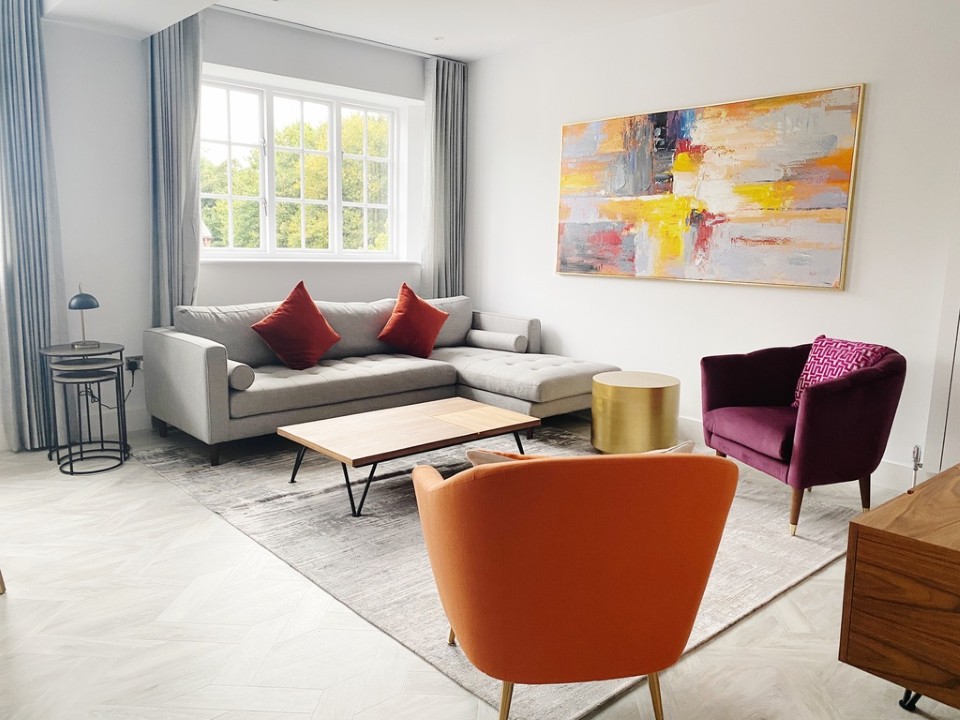
Redecoration is often a thing much easier imagined and discussed than actually executed. You are incredibly lucky if your living room can be transformed into a new scene with only a simple rearrangement of furniture pieces or the addition of small features like a new rug or wall artwork.
But what if the facelift your room urgently requires involves new floor tiling or a complete architectural reshaping? You might say, “Oh, what this room needs is a new framed painting to give it a fresh vibe or a fancy sculpture to make it groovier.” However, have you stopped to consider exactly how much money you need to set aside for these luxury items? Often, that same amount of money is desperately needed for other essential life purposes.
Overcoming Challenges for Every Homeowner
When stricken by the realization that you don’t have enough liquid cash to afford a professional improvement, you risk condemning your financial situation. This can lead to a feeling of inadequacy that eventually consumes your creativity. In times like these, there is no better way to move forward than learning how to accomplish a stunning home transformation on a strict budget.
Working with what you’ve got is not just a compromise; it is a plausible and completely doable strategy. While it certainly takes more effort, time, and physical energy, there is no other way to achieve these results unless you are blessed with a bottomless bank account.
To succeed, you must first forget what you see on TV makeover shows or in glossy design magazines. Media decorators often operate on the most expensive side of the industry, opting for exclusive items and high-end techniques. Furthermore, these shows rarely mention the staggering costs of hiring professional contractors. To achieve a true low-budget home improvement, you must follow these four core rules:
- Retention: Keep as many original items as possible.
- Innovation: Figure out how to breathe new life into your old, tired belongings.
- Sourcing: Work with what you have or resort to secondhand items if you must buy.
- Independence: Do it all on your own instead of hiring a professional.
10 Creative Ways to Revamp Your Space
-
Embracing the DIY Project
Interior redecorating and remodeling become significantly more affordable when you take the project into your own hands. By eliminating labor costs, you can redirect your funds toward better materials. Projects you can master yourself include:
- Installation of vinyl or linoleum flooring for a quick update.
- Laying down hardwood flooring to add long-term value.
- Installing a custom kitchen backsplash to modernize your cooking space.
- Complete interior painting to change the mood of a room.
- Adding a backyard deck to extend your living space outdoors.
Beyond the affordability, completing a DIY project gives you “bragging rights.” You can invite friends over and proudly claim how you installed the flooring with your own two hands. Even if you don’t share it, the personal satisfaction of looking at a finished project is enough to instill lasting pride.
-
Strategic Furniture Rearrangement
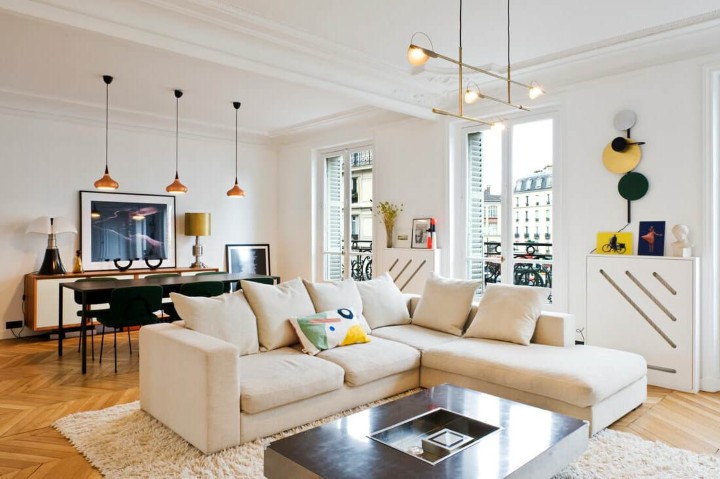
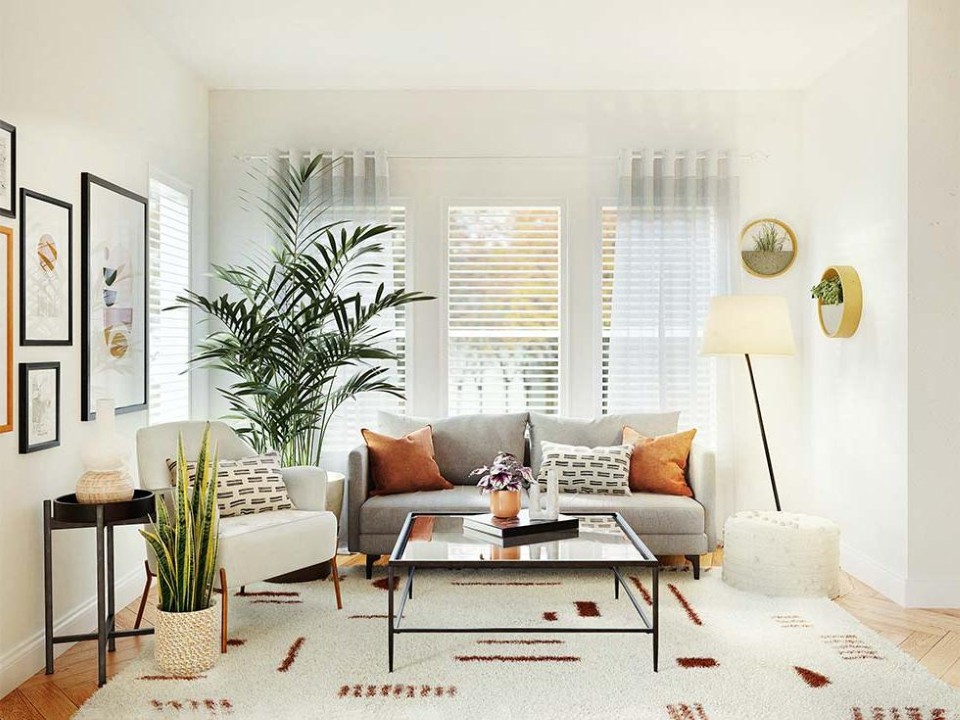
Sometimes, merely rearranging your furniture will do the trick—and the result can be dramatic without costing a cent. For example, if you have a couch whose back is the first thing you see when entering a room, try moving it to the opposite wall. This simple move can open up the floor plan, improve traffic flow, and create a brand-new focal point that makes the area feel more inviting.
If the room still feels “off,” the problem might be that you have too many pieces. Consider removing unwanted items to create a sense of minimalism. If other rooms are also cramped, consider donating or selling the excess pieces to free up physical and mental space.
-
Repurposing Furniture and Accessories
Repurposing is the ultimate “upcycling” step. If you can’t find the perfect piece, create it. A sturdy table can become a home office desk, and an old nightstand can be converted into a unique TV stand. This often involves a cosmetic change, such as repainting a wooden table before its conversion. Other creative examples include:
- Turning old dresser drawers into a wall-mounted bookcase.
- Converting a dresser into open shelving.
- Transforming a classic bookcase into a home bar or coffee station.
- Retrofitting a vintage dresser into a bathroom sink vanity.
-
Turning to Secondhand Treasures
Before buying new, check thrift stores and online marketplaces. Thrift stores are goldmines for unique furnishings and accessories at prices that won’t strangle your budget. Platforms like Craigslist or Facebook Marketplace are also invaluable, as people often sell high-quality furniture at a fraction of the retail price just to clear out their space.
-
The Power of Paint
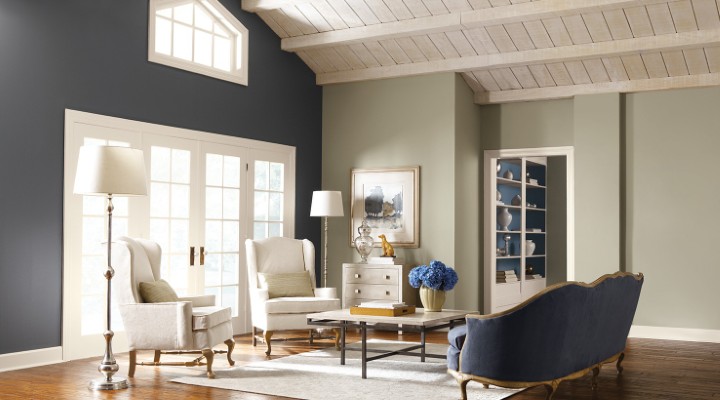
Changing a room’s color is the cheapest way to refresh a space. Beyond standard solid colors, consider these artistic techniques:
- Stripes: Use painter’s tape to create vertical or horizontal patterns.
- Ombre: For the bold, blend colors from light to dark across a wall.
- Stenciling: Use pre-made or DIY stencils for complex, wallpaper-like patterns.
- Color-washing: Apply a translucent glaze for a soft, textured look.
- Sponging/Ragging: Use sponges or crumpled rags to dab or roll paint for a unique, layered texture.
-
Making Creative Use of Paper
While wallpaper is often more expensive and time-consuming than paint, you can use it strategically to save money:
- Feature Walls: Use wallpaper only on small, specific spots to create a focal point.
- Backsplashes: Use durable vinyl wallpaper as a cost-effective alternative to tile.
- Headboards: Save hundreds by “hanging” a wallpaper headboard behind your bed.
- Furniture Accents: Apply wallpaper to the back of bookshelves or drawer fronts for a designer touch.
- Utilizing Versatile Fabrics
Fabric introduces warmth and softness. You can completely change a room’s vibe by updating bedding, adding plush throw pillows, using furniture slipcovers, or replacing old curtains. Even a simple change in shower curtains or kitchen towels can make a space feel “new.”
-
Adding Architectural Woodwork
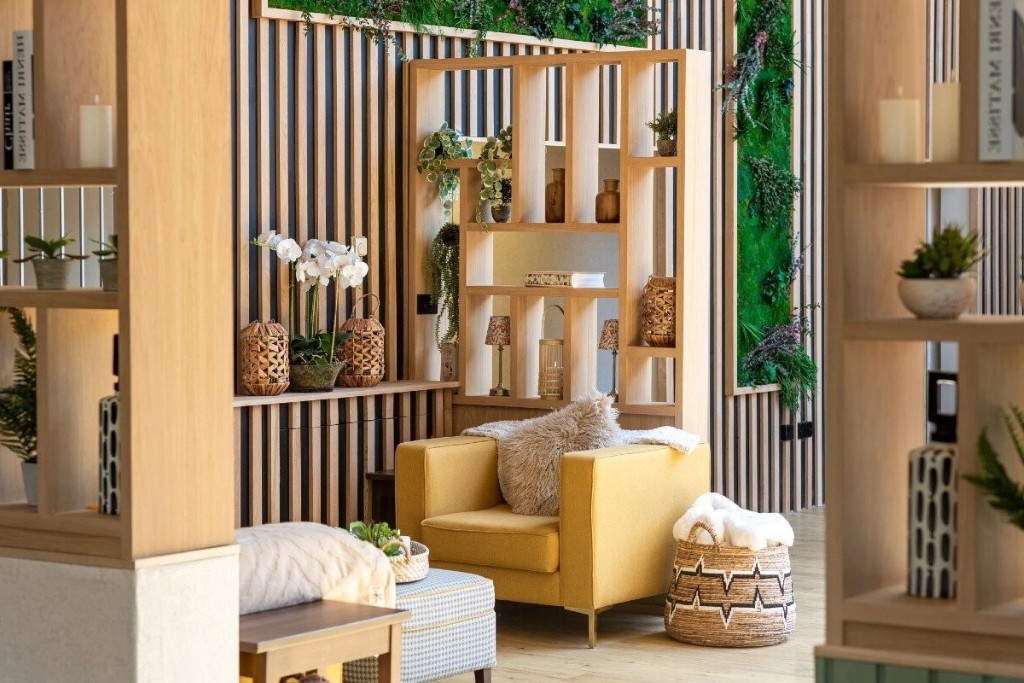
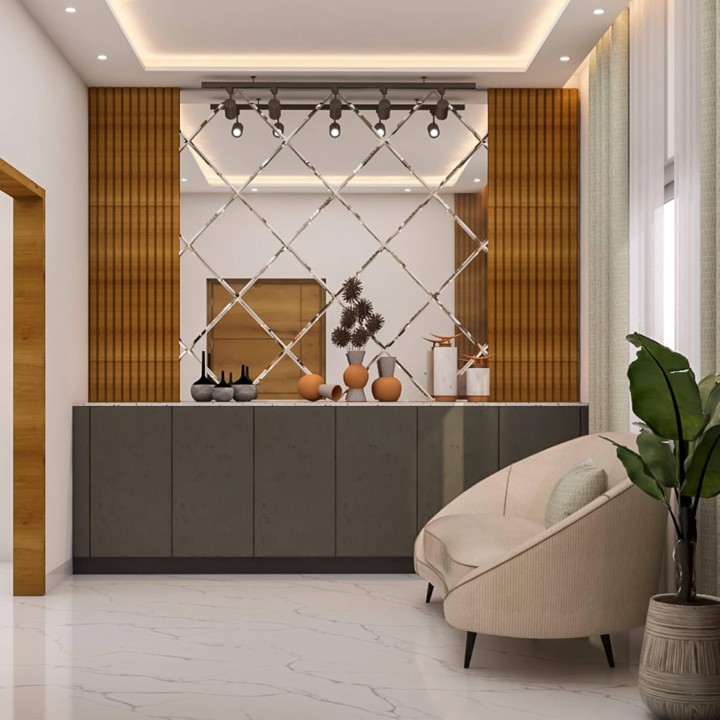
Eye-catching woodwork adds texture and visual interest that many modern, “cookie-cutter” homes lack. Adding crown molding, wainscoting, or even simple wooden slats can imbue a room with a sense of history and luxury.
-
Focusing on the Small Details
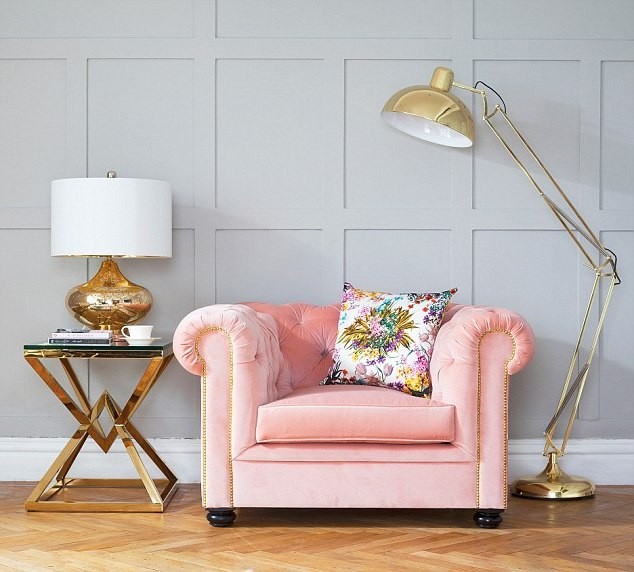
Never underestimate the power of small details. Replacing dated cabinet knobs, installing a modern faucet, or swapping out old lampshades for ones with different hues can instantly modernize a room for a very low cost.
-
Creating Affordable DIY Artwork
Artwork doesn’t have to be expensive to be beautiful. You can create gallery walls using:
- Framed pages from a vintage calendar.
- High-end magazine cutouts.
- Framed scraps of beautiful wallpaper, fabric, or wrapping paper.
- Printed digital art from the public domain.
Refined Final Word
Ultimately, embracing the art of decorating on a budget empowers you to curate a living space of the highest caliber without overextending your financial boundaries. This approach proves that aesthetic excellence is not reserved for those with unlimited resources, but rather for those with the vision to see potential in the overlooked. Beyond the undeniable cost savings, the process of personally retouching a room ensures that every corner of your home authentically reflects your unique personality and lifestyle.
There is a profound psychological reward in this endeavor; the deep sense of accomplishment derived from transforming a space with your own hands creates a lasting connection to your environment. This is a project you can take immense pride in—a home that doesn’t just look beautiful, but tells a story of ingenuity and dedication that you will be proud to flaunt for years to come.