Finding the perfect place to call home is one of the most significant decisions you will make in your adult life. Whether you are a fresh university graduate, a newly married couple saving for a future home, or a professional embracing the minimalist lifestyle, the housing market offers a dizzying array of options. Among these, the studio apartment stands out as a unique, polarizing, yet increasingly popular choice.
For many, the studio apartment represents freedom—freedom from excess stuff, freedom from high maintenance, and financial freedom. But for others, the lack of walls can feel daunting. How do you cook where you sleep? How do you entertain guests in your bedroom?
This comprehensive guide goes beyond the surface. We will explore the what, why, and when of studio living, break down the concrete costs involved, and provide actionable design solutions that transform a boxy room into a sanctuary. By the end of this article, you will not only understand the mechanics of studio living but also feel inspired to create a “mini heaven” that reflects your personality.
What Exactly is a Studio Apartment? (The Technical Definition)
There is a common misconception in the real estate market regarding what defines a studio. You might see listings for “efficiencies,” “micro-units,” or “alcove studios” and wonder how they differ from a standard one-bedroom apartment.
The Core Concept
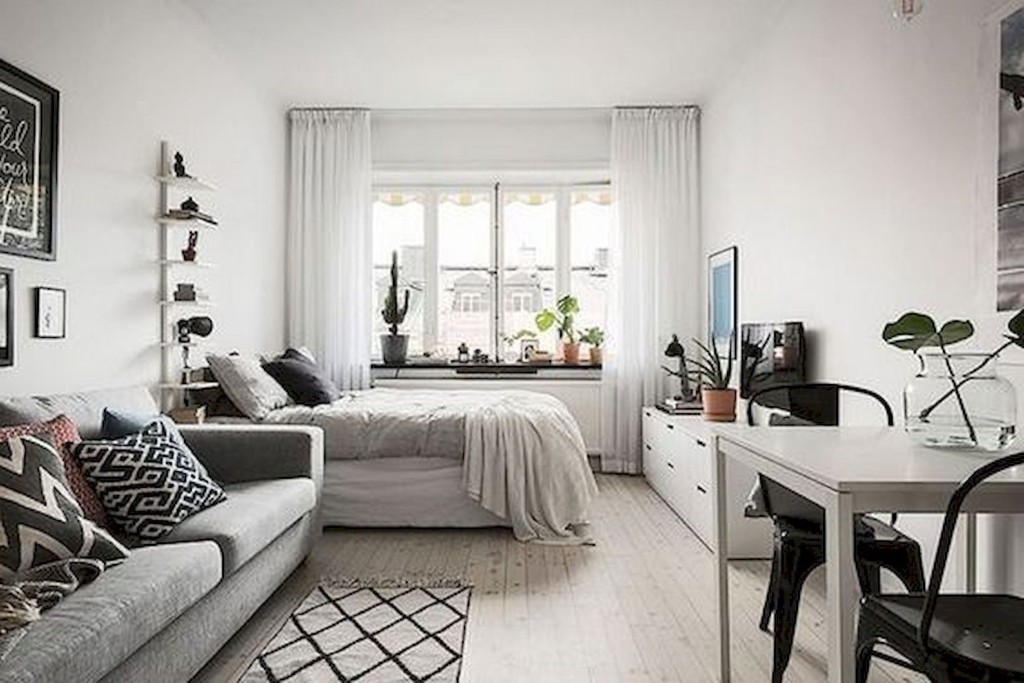
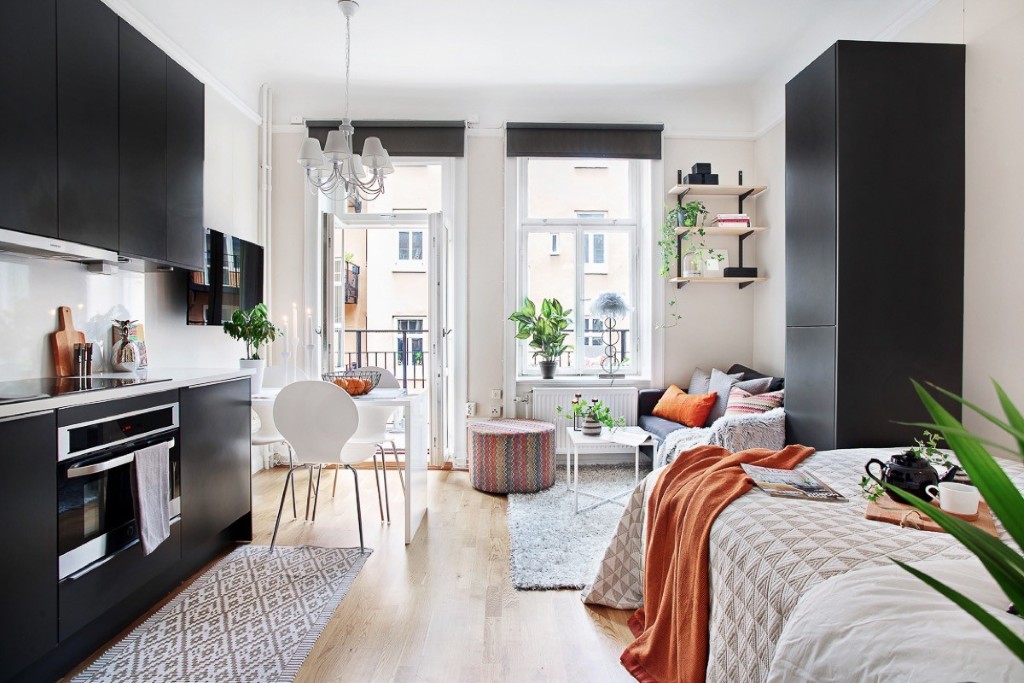
A studio apartment is a self-contained living unit in which the bedroom, living room, and kitchen are combined into a single open space. The only separate room with a door is the bathroom. Unlike a one-bedroom apartment, where a wall and a door physically separate your sleeping quarters from your social areas, a studio forces these functions to coexist.
Variations of the Studio
To make an informed decision, you must recognize the different “flavors” of studio apartments:
- The Standard Studio: A rectangular box layout. The kitchen is usually a kitchenette along one wall.
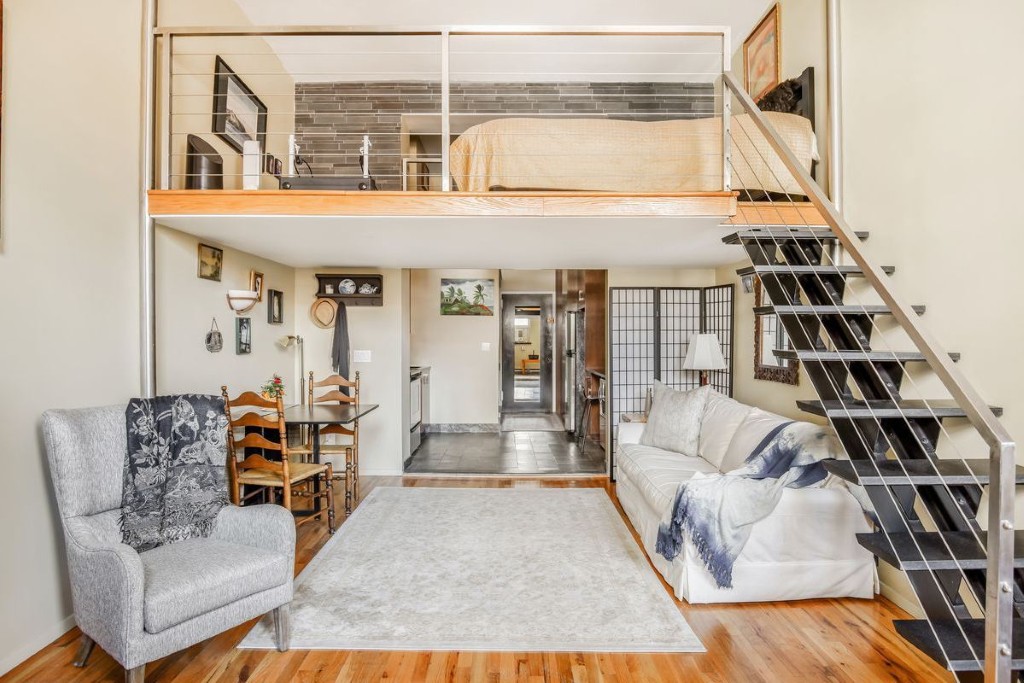
- The Alcove Studio (L-Shape): This is the “gold standard” of studios. As mentioned in your original text, an L-shaped layout provides a nook (alcove) for your bed.4 While there is no door, the bed is not immediately visible from the entrance or kitchen, offering a psychological sense of separation.
- The Convertible Studio: A space large enough that walls could be added, or sliding partitions are already installed to create a temporary bedroom.
Studio vs. One-Bedroom: The Price Gap
Why choose a studio over a one-bedroom? The primary driver is cost. In major metropolitan areas (like New York, London, or Jakarta), a studio can rent for $300 to $600 less per month than a one-bedroom in the same building. Over a year, that is a saving of $3,600 to $7,200—money that can be invested, used for travel, or saved for a down payment on a house.
The “Why”: Advantages of Living in a Studio Apartment
Living in a single room is not just a compromise; for many, it is a strategic lifestyle upgrade. Let’s dive deeper into the benefits you outlined, with added context and practical examples.
-
Radical Financial Efficiency (A Good Investment)
Beyond the lower rent, the hidden savings of a studio are massive.
- Utilities: Heating and cooling a 400-square-foot space is significantly cheaper than a 900-square-foot apartment. Expect to save 20-40% on electricity bills.
- Furniture Costs: Furnishing a one-bedroom apartment often costs between $3,000 and $8,000 for decent mid-range furniture. A studio requires less. You only need one statement rug, one sofa, and one bed. You can furnish a studio stylishly for under $2,000 if you are savvy.
- Investment Potential: If you are buying rather than renting, studios in high-density areas (near universities or central business districts) have high rental yields. They are always in demand by students and expats.
-
The Curator’s Lifestyle (No Need for Much Furniture)
In a large house, we tend to fill empty corners with “stuff” simply because the space exists. A studio forces you to become a curator of your own life.
- Selective Purchasing: Every item must earn its keep. You won’t buy that treadmill you’ll never use because there is literally no space for it. This naturally curbs impulse spending.
- Quality over Quantity: Because you are buying fewer items, you can afford higher quality. Instead of buying three cheap side tables, you can buy one stunning, artisan-crafted coffee table that serves as the room’s focal point.
-
Maintenance and Cleaning (The 20-Minute Rule)
The specific benefit of cleaning a studio cannot be overstated. In a standard home, deep cleaning is a weekend-long project. In a studio, it is a “20-minute rule” task.
- The Workflow: You can vacuum the entire floor plan from a single outlet. Dusting takes minutes.
- Psychological Impact: A messy room can cause anxiety.5 Because a studio is so easy to tidy, you are more likely to keep it clean, leading to a calmer mental state.
-
Intimacy and Accessibility
Everything is within arm’s reach. This might sound trivial, but it creates a cozy, “nest-like” atmosphere. For newly married couples, a studio can actually strengthen a relationship. It fosters communication and shared activities. You cannot retreat behind a closed door to sulk; you must resolve conflicts and coexist.
The “When”: Who Should Choose a Studio?
This living arrangement isn’t for everyone. It is specifically optimized for:
- The Career-Focused Single: If you work long hours and mostly use your apartment for sleeping and showering, paying for a living room you never use is a waste.
- The Digital Nomad: Professionals who travel frequently need a “home base” that is low maintenance and low cost.
- The Newlywed Savers: Couples willing to sacrifice space for 2-3 years to aggressively save for a mortgage down payment.
Zoning: The Secret to Studio Layouts
The biggest mistake people make in studios is treating the room as one big jumble. The key to making it look “awesome” and not “messy” is Visual Zoning. You must create distinct zones for sleeping, living, and working, even without walls.
-
The Bed Placement Strategy
Your bed is the biggest piece of furniture. Where you put it dictates the rest of the room.
- Solution: Place the bed as far from the entrance as possible. If you have an L-shaped unit, use the alcove.
- Tip: Never have the foot of the bed facing the front door directly if you can avoid it—it creates a “hotel room” vibe rather than a “home” vibe.
-
The Floating Living Room
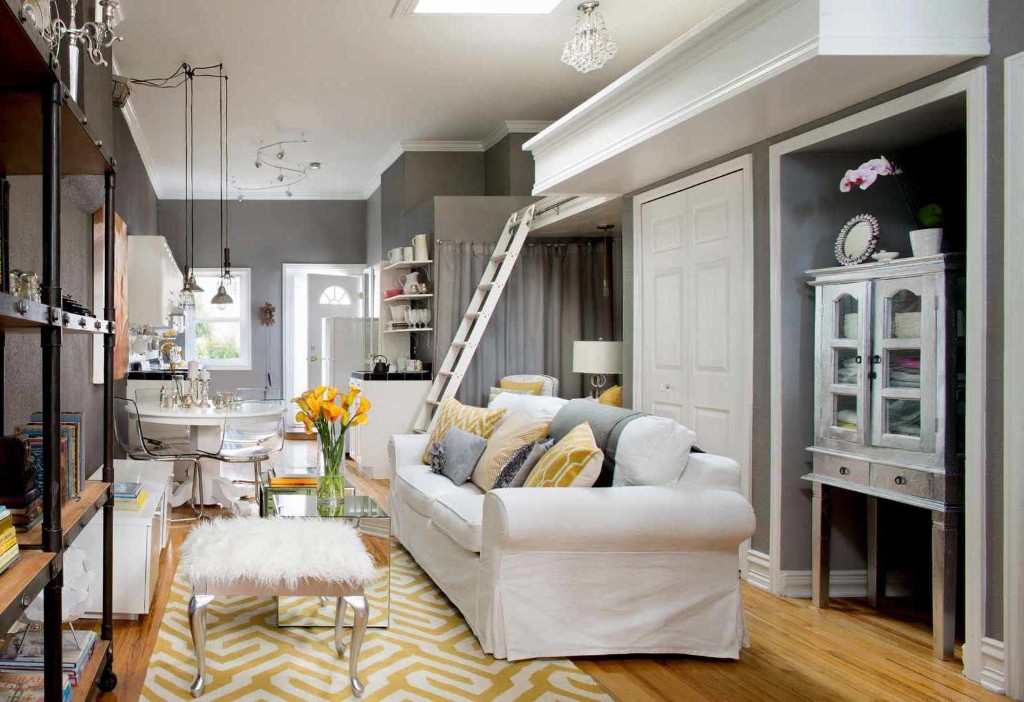
Don’t push all your furniture against the walls. “Float” your sofa in the middle of the room, facing away from the bed. The back of the sofa acts as a low wall, psychologically separating the “bedroom” from the “living room.”
Concrete Decoration Ideas: From Boring to Beautiful
You mentioned several great ideas in your draft. Let’s expand on those with actionable advice, material suggestions, and approximate price ranges.
-
Multifunction Room Dividers (The Upgrade)
Don’t just use a sheet or a curtain. Use dividers that serve a dual purpose.
- The Bookshelf Wall: Use an open-back shelving unit (like an IKEA KALLAX, approx $80-$150) placed perpendicular to the wall. It separates the bed from the sofa while letting light pass through. Fill the bottom shelves with baskets for storage and the top shelves with plants.
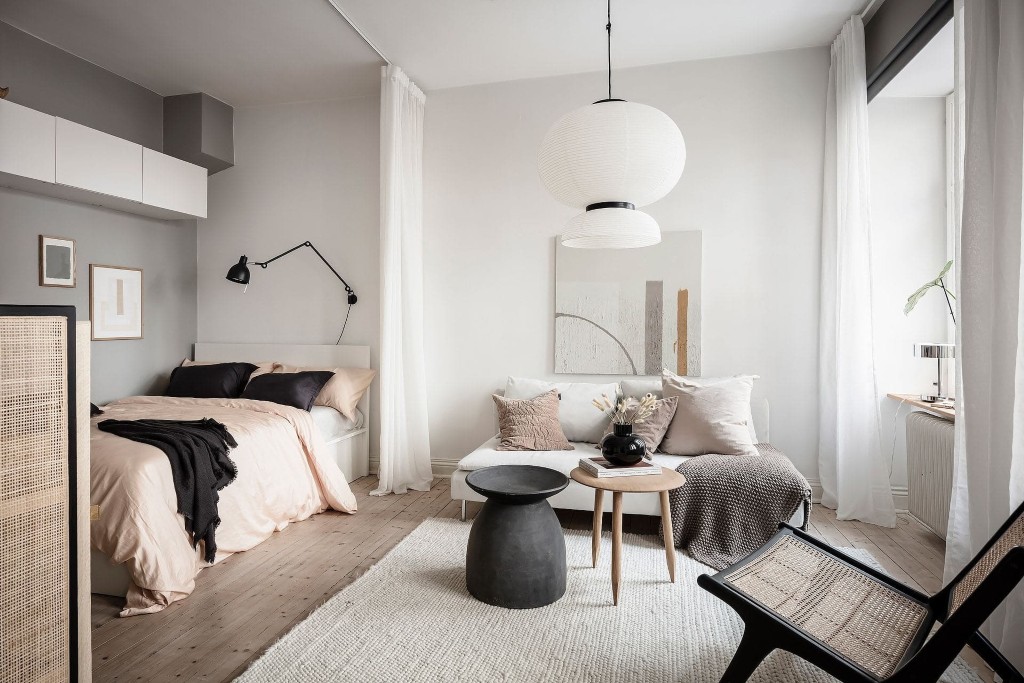
- The Slat Wall: For a more high-end look, install a wooden slat partition. It adds texture and architectural interest without blocking sunlight.
-
Color Psychology: Beyond “Just White”
While white expands space, it can feel clinical.
- The “Jewel Box” Effect: Painting a small room a deep, rich color like navy blue (your “Gorgeous Blue” idea) or forest green can actually blur the corners of the room, making the size indeterminate and the vibe incredibly cozy.
- The Accent Ceiling: If you can’t paint walls, paint the ceiling a lighter shade than the walls to draw the eye upward, creating an illusion of height.
-
Fashionable Black and White (Monochrome Mastery)
A high-contrast palette distracts the eye from the lack of square footage.
- Texture is Key: If you stick to black and white, vary the textures. Mix a black velvet chair with a white wool rug and a sleek metal lamp. This prevents the room from looking flat.
- Price Check: A high-quality black and white geometric rug (5×7 feet) can be found for $100-$200 and will instantly anchor your living area.
-
The “Cloffice” (Closet Office) or Stand-Out Desk
With remote work becoming standard, a workspace is non-negotiable.
- The Solution: If you have a built-in closet you don’t fully use, remove the doors and slide a desk inside. When you are done working, you can hang a curtain to hide the “office.”
- The Stand-Out Desk: As you noted, a beautiful desk can be decor. Look for a “ladder desk” that leans against the wall. It has a small footprint and provides vertical shelving.
-
Vertical Gardening (Planting Inside)
Floor space is premium; wall space is free.
- Hanging Planters: Use macramé hangers or wall-mounted pots.
- The Window Sill Herb Garden: Practical for cooking and beautiful.
- Warning: Avoid large, bushy plants on the floor that block traffic paths. Stick to Snake Plants or ZZ Plants which grow vertically and tolerate low light.
-
Bohemian and Scandi-Boho Styles
Bohemian style is forgiving. It embraces “controlled chaos.”
- Textiles: Layer rugs. Put a small faux fur rug over a larger jute rug. This adds depth.
- Lighting: This is crucial. Never use the “big light” (the main ceiling fixture). Instead, use floor lamps, string lights, and table lamps to create pools of warm light (2700K color temperature). This makes the room feel larger and more welcoming.
Concrete Solutions: Price Ranges and Essentials Checklist
To make this guide truly helpful, here is a breakdown of the essentials you need to budget for when moving into a studio. These are estimated ranges for new items (buying secondhand can cut these costs by 50% or more).
| Item Category | Essential Items | Estimated Budget (Low – High) |
| Sleeping | Double/Queen Mattress, Platform Bed Frame (with storage underneath) | $400 – $1,200 |
| Seating | Loveseat or Apartment-sized Sofa (max 70 inches wide) | $300 – $900 |
| Storage | Wardrobe (if no closet), Under-bed Bins, Bookshelf Divider | $150 – $600 |
| Dining/Work | Drop-leaf Table (expandable), 2 Folding Chairs | $100 – $350 |
| Lighting | 1 Floor Lamp, 2 Bedside Lamps | $80 – $200 |
| Decor | Large Mirror (essential for illusion of space), Rug, Plants | $150 – $400 |
| Total Setup | Basic Move-in Cost | $1,180 – $3,650 |
Pro Tip: Always measure your front door and the elevator before buying a sofa. There is nothing worse than buying a couch that won’t fit inside your studio.
Addressing the “Misconceptions” and Challenges
It is important to be honest about the challenges. Studio living requires discipline.
- The Kitchen Smell Issue: Because there are no walls, cooking fish or frying garlic will scent your bed sheets.
Solution: Invest in a high-quality air purifier with a HEPA and Activated Carbon filter (approx price $100-$200). Always cook with the hood fan on or a window open.
- The Guest Dilemma: Having friends over can feel crowded.
Solution: Keep extra seating versatile. Use large floor cushions or ottomans that can be tucked away when not in use. Meet friends at cafes for large gatherings and keep your studio for intimate hangs.
Conclusion and Recommendations
Living in a studio apartment is often misunderstood. Many people see it purely as a compromise or a temporary solution before moving into a “real” home with multiple rooms. In reality, studio living is an intentional lifestyle choice—one that emphasizes clarity, freedom, and purpose over excess. When done thoughtfully, a studio apartment can feel just as comfortable, inspiring, and personal as a much larger home.
At its core, studio living is about redefining what you truly need to feel happy and fulfilled. Instead of measuring comfort by square footage, you begin to measure it by functionality, atmosphere, and how well your space supports your daily life. This mindset shift is exactly why studio apartments appeal to students, young professionals, digital nomads, creatives, and even retirees who want to simplify without sacrificing quality of life.
A Lifestyle, Not Just a Budget Option
It is true that studio apartments are often more affordable than one-bedroom or two-bedroom units. Lower rent, reduced utility bills, and minimal furnishing costs can significantly improve your financial flexibility. However, reducing studio living to a “budget option” misses the bigger picture.
Many people choose studios because they want to live closer to work, cultural centers, cafes, public transportation, and social hubs. A smaller apartment in a prime city location can offer a richer daily experience than a large apartment far from everything. Less commuting time means more time for hobbies, rest, and relationships. Financial savings can be redirected toward travel, education, investments, or simply peace of mind.
In this sense, studio living is not about having less—it is about having enough, and using that enough wisely.
Is a Studio Apartment Right for You?
Before committing to a studio apartment, it is important to honestly evaluate your habits, priorities, and tolerance for shared space. Studios work beautifully for some people and poorly for others. The key is alignment between your lifestyle and the limitations of the space.
Choose a Studio If:
You value location over size. If living in a central neighborhood matters more to you than having separate rooms, a studio is an excellent choice.
You want to save money on rent and utilities. Studios typically cost less to heat, cool, and furnish, making them ideal if you are working toward financial goals.
You are comfortable with a minimalist or intentional lifestyle. Studios naturally discourage clutter and encourage mindful ownership.
You spend a lot of time outside the apartment. If your home is primarily a place to sleep, recharge, and prepare for the day, a studio is more than sufficient.
You enjoy simple, efficient routines. Everything being within reach can make daily life smoother and less time-consuming.
Avoid a Studio If:
You work from home with a partner or roommate. Overlapping meetings, calls, and work schedules can quickly become stressful without physical separation.
You frequently host large gatherings or dinner parties. While studios can host guests, they are not ideal for entertaining large groups regularly.
You are highly sensitive to noise. Many studio apartment buildings have thinner walls or shared ventilation systems, which can amplify sound.
You strongly prefer visual separation between living, sleeping, and working areas. While zoning techniques help, they cannot fully replace walls.
Being honest about these factors will save you frustration and help you make a confident decision.
Our Final Recommendation: Embrace Slow Decorating
If you decide to take the plunge into studio living, resist the urge to furnish and decorate everything immediately. One of the most common mistakes new studio dwellers make is overbuying furniture before they truly understand how the space functions.
Instead, adopt a “slow decorating” approach.
For the first two weeks, live in the apartment with only the essentials: your bed, a chair, and perhaps a small table. Observe how you naturally move through the space. Pay attention to where sunlight enters in the morning, where shadows fall in the afternoon, and which corners feel most comfortable at night.
Notice where you instinctively place your bag when you come home, where you like to sit with your phone or laptop, and how much space you actually need to feel relaxed. These observations are far more valuable than any floor plan or Pinterest inspiration.
By slowing down, every furniture decision becomes intentional. You are no longer guessing—you are responding to real, lived experience. This ensures that each piece you buy earns its place and contributes to the overall harmony of the apartment.
Smart Zoning Creates a Sense of Rooms
A well-designed studio does not feel like one big box. Through smart zoning, you can visually and functionally separate areas for sleeping, working, dining, and relaxing.
This can be achieved with area rugs, open shelving, curtains, folding screens, or even strategic furniture placement. For example, placing a sofa with its back facing the bed area instantly creates a psychological division between “bedroom” and “living room.”
Zoning is not about crowding the space—it is about guiding the eye and defining purpose. When each zone has a clear function, the apartment feels organized and calm rather than chaotic.
Discipline With Clutter Is Non-Negotiable
In a studio apartment, clutter is amplified. There is nowhere to hide it. This may sound intimidating, but it is actually one of the greatest advantages of studio living.
Because space is limited, you are encouraged to regularly evaluate what you own. Items that no longer serve you become obvious. Storage solutions must be efficient, and every surface has a purpose.
This discipline often extends beyond the apartment. Many studio dwellers report feeling mentally lighter, more focused, and less overwhelmed. A clear space supports a clear mind.
A Small Space Can Be a Personal Sanctuary
Despite its size, a studio apartment has the potential to feel deeply personal. In fact, many people feel more connected to their studios than they ever did to larger homes. When every object is chosen deliberately, the space begins to reflect your values, habits, and aesthetic preferences in a very intimate way.
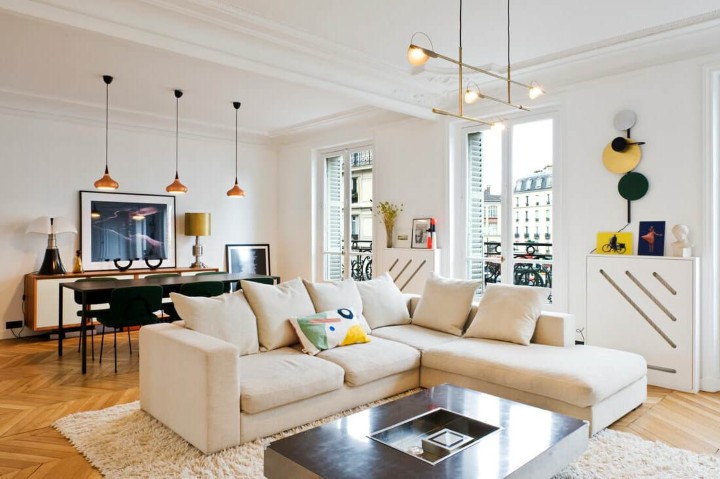
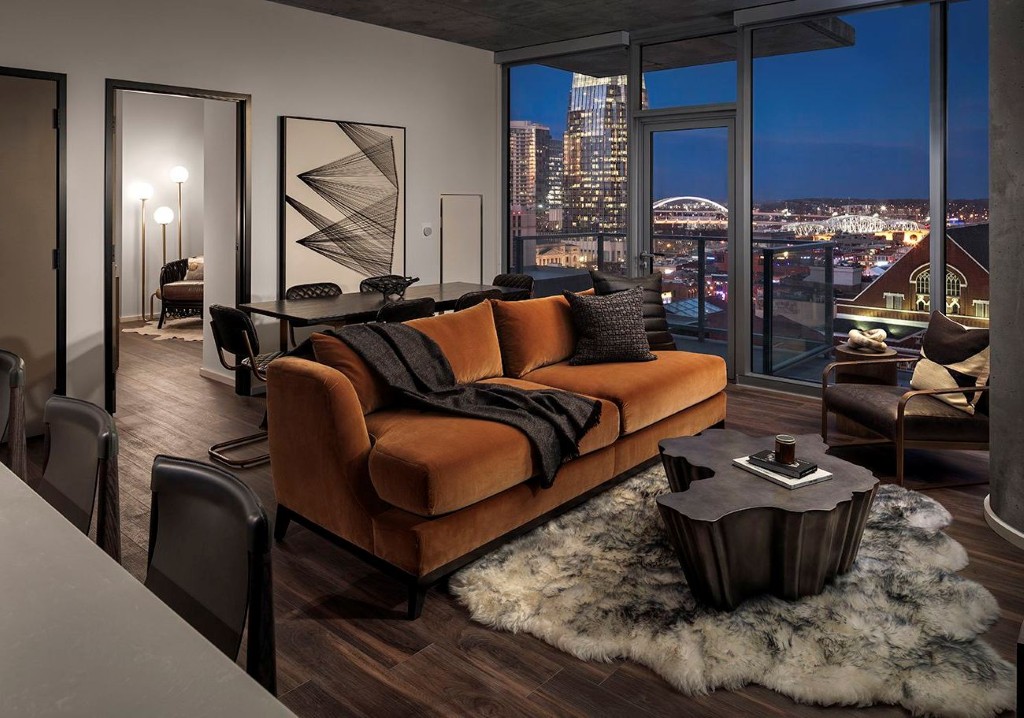
Lighting, texture, and color play a crucial role here. Soft lighting, layered fabrics, and a cohesive color palette can transform even the smallest apartment into a warm and inviting retreat.
Your studio does not need to impress anyone else. Its primary job is to support you.
Your mini apartment can indeed be a heaven. It requires creativity, smart zoning, and a disciplined approach to clutter, but the reward is significant. You gain a cozy, efficient, and custom-tailored home that aligns with your lifestyle and goals.
Studio living teaches you to be intentional—not just about furniture, but about how you live your life. When embraced fully, it becomes less about what you lack and more about what you have chosen.
If you are willing to adapt, observe, and design with purpose, a studio apartment can offer freedom, comfort, and a surprising sense of abundance.