Adding a sunroom to your home is widely considered a massive architectural and lifestyle investment. Because sunrooms are rarely included in standard residential floor plans, they represent an intentional, custom expansion of your living space. Designing a sunroom becomes a critical project that blends the comfort of your home’s interior with the natural beauty of the outdoors.
Whether you are looking for a quiet morning reading nook, an indoor greenhouse, or a grand dining area bathed in natural light, a well-planned sunroom can drastically improve your quality of life. However, before laying the foundation or picking out coastal-themed cushions, it is vital to understand the structural, legal, and financial aspects of building a sunroom. This comprehensive guide will walk you through the “what, why, and when” of sunroom construction, DIY safety protocols, architectural options, and sophisticated interior design ideas.
The Crucial First Step—Building Permits and Legalities
When deciding to create a sunroom, the very first step—long before purchasing materials—is addressing local building permits.
Why do you need a permit? A sunroom fundamentally alters the footprint and structural integrity of your home. You cannot legally add square footage, pour a new foundation, or tie a new roofline into your existing home without municipal permission. If you build without a permit, you face severe consequences: local authorities can force you to tear the structure down, your homeowner’s insurance may be voided in the event of damage, and you will likely encounter immense legal hurdles when attempting to sell your property in the future.
What to do: Always check with your local zoning board or municipal building department. You will generally need to submit architectural blueprints, a site plan showing property setbacks, and details regarding electrical and HVAC integration. Furthermore, if you live in a community governed by a Homeowner’s Association (HOA), you must secure their approval to ensure the sunroom matches the neighborhood’s aesthetic guidelines.
The Reality of Building a Sunroom in a DIY Project
For ambitious homeowners, embarking on a DIY sunroom project is an appealing way to keep the budget in check. However, a sunroom is a complex, multi-disciplinary construction project.
What you should leave to the experts: Unless you are a licensed contractor, certain elements of sunroom construction pose significant safety and structural risks.
- Foundation Pours: A settling foundation will crack the extensive glass installations in your sunroom.
- Roof Tie-ins: Improperly connecting the sunroom roof to your existing home is the leading cause of water leaks, which can rot your home’s framing and cause toxic mold.
- Electrical and HVAC: Running power lines and extending your home’s heating and cooling systems require licensed professionals to ensure fire safety and building code compliance.
What you can do yourself: To save money advantageously without risking an architectural disaster, take a hybrid approach. Hire experts for the structural framing, roofing, and electrical work. Once the “dry-in” phase (the structural shell) is complete, you can take over. Homeowners can execute the interior design, paint the walls, lay the flooring (such as luxury vinyl plank or tile), and build custom interior furnishings like pallet benches or upcycled shelving units. Recognizing your limitations is the key to a successful, stress-free build.
Sunroom Architectural Options
Today, sunrooms are categorized primarily by the seasons they are engineered to withstand. Your choice depends heavily on your local climate, your budget, and how you intend to use the space.
-
Three-Season Sunrooms
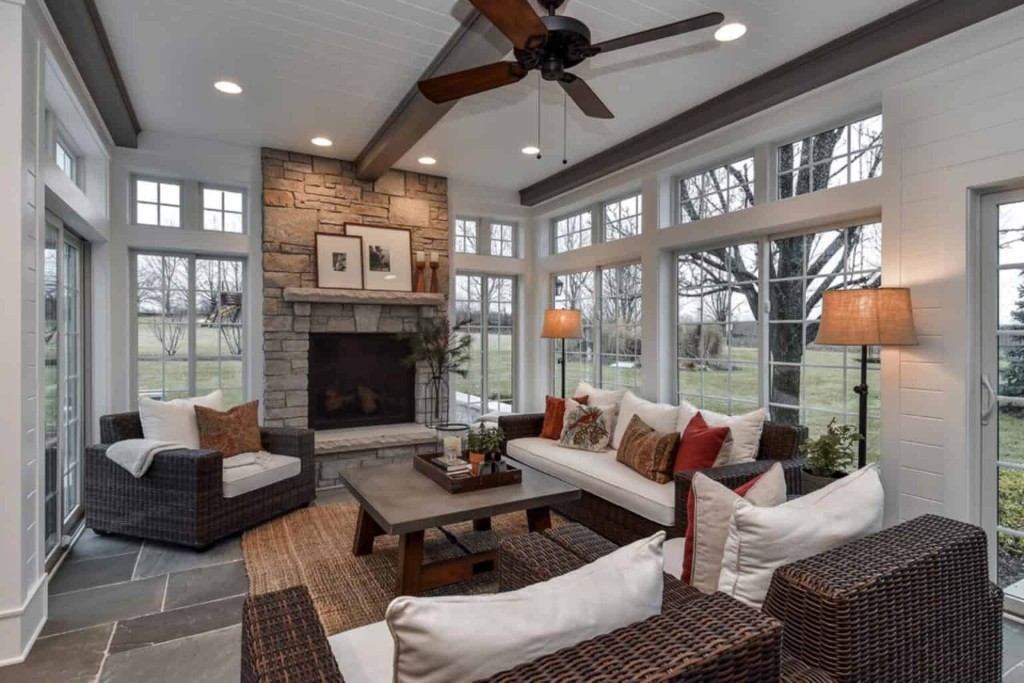
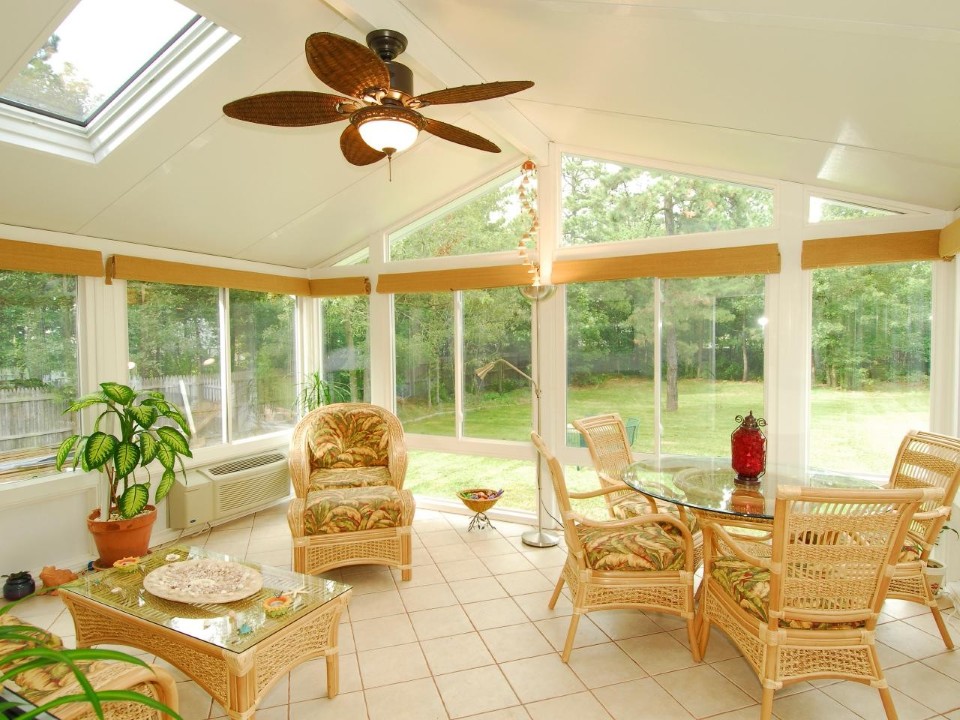
What it is: A three-season sunroom is designed to be used during the spring, summer, and fall. It is not tied into your home’s central heating and cooling system. Why choose it: This is the most cost-effective option. It utilizes lightweight framing materials (often aluminum) and single-pane glass. Because it lacks heavy insulation, the construction timeline is shorter, and the material costs are significantly lower. When to use it: Three-season sunrooms are perfect if you live in a mild climate or simply want a shaded, bug-free environment during the warmer months. To combat summer heat, these rooms frequently utilize ceiling fans for air circulation and strategic window shades to block direct UV rays, providing a perfect, cooling retreat.
-
Four-Season Sunrooms
What it is: A four-season sunroom, also known as an all-season room, is an insulated architectural extension of your home designed for year-round living, regardless of snow, freezing temperatures, or extreme heat. Why choose it: This room is fully integrated into your home’s HVAC system. It requires robust, heavy-duty framing (wood, vinyl, or thermally broken aluminum) and high-quality, insulated, double-pane glass with Low-E (low-emissivity) coatings. While it requires a significantly higher upfront investment, it offers a massive return on investment (ROI) by officially adding livable square footage to your home’s real estate value. When to use it: If you want to watch the snow fall on Christmas morning in a t-shirt or enjoy a climate-controlled environment while flowers bloom in the spring, a four-season room is the ultimate luxury.
Sunroom Designs and Interior Decorating Ideas
Whether you opt for a three-season or four-season build, the true magic of a sunroom lies in its interior design. Because this room bridges the gap between the indoors and outdoors, there is no strict formula you must follow. Your design should reflect your personality. Here are several in-depth, highly curated design themes to inspire your space:
-
The Green Coastal Sunroom
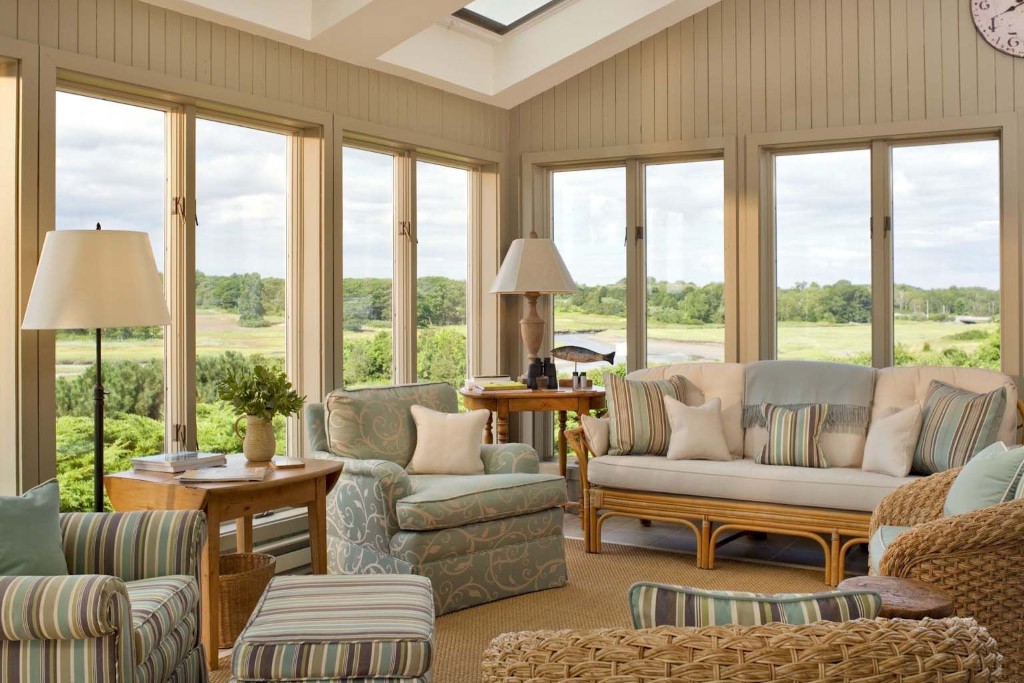
Coastal design is universally appealing because it evokes the tranquility of a beachfront vacation, making it perfect for a sunroom. The primary goal of a sunroom is to enjoy nature without the nuisance of wind blowing your papers or insects invading your space.
- Color Palette: Dye your sunroom in soft, light sea-foam greens, crisp whites, and sandy beiges.
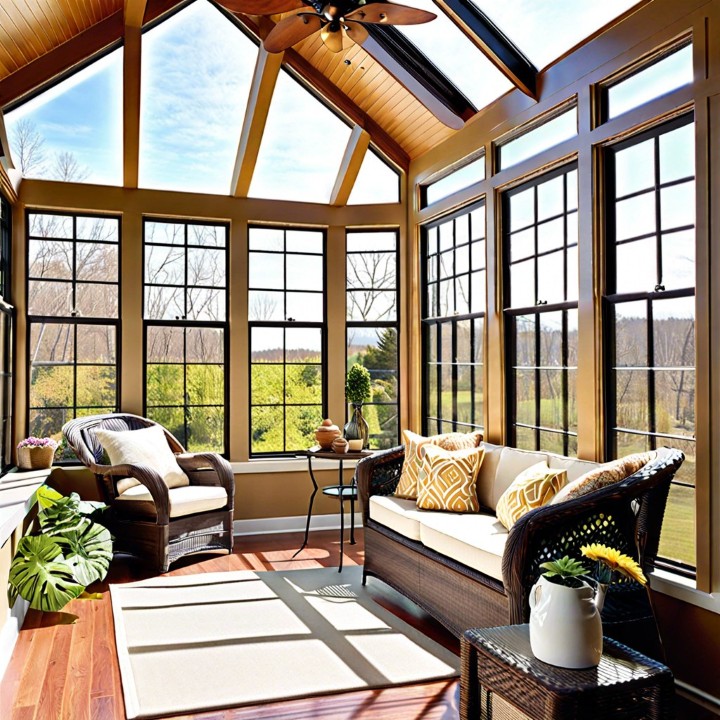
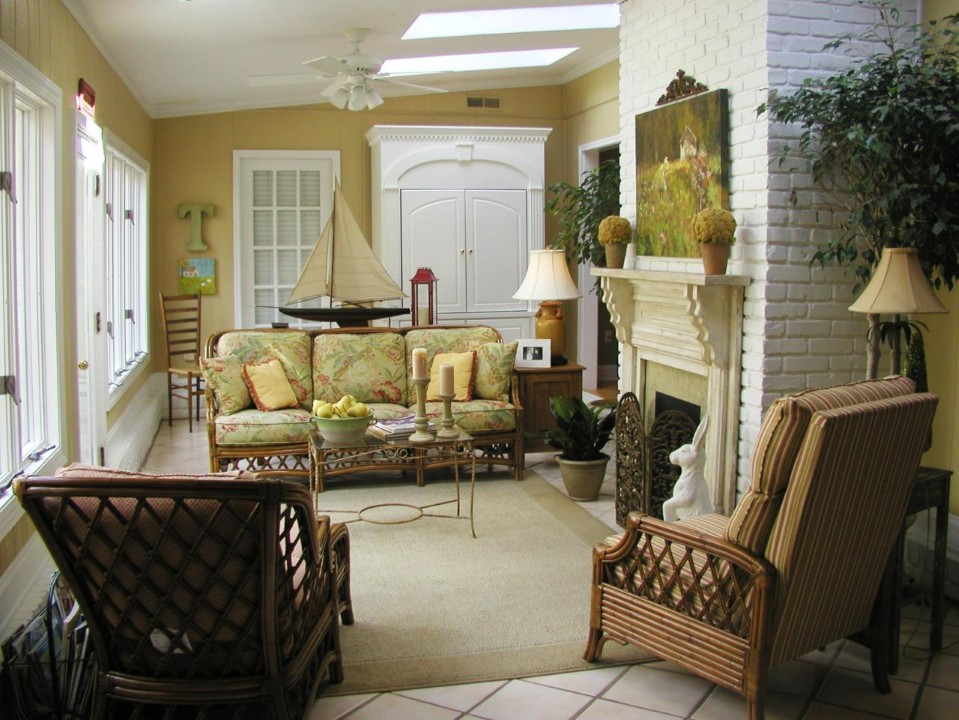
- Furniture & Decor: Introduce casual seating using natural materials like rattan or wicker. Spread a flat-weave, nautical-patterned rug across the floor to anchor the space. Brighten the room with colorful, weather-resistant cushions in coral or navy blue, and add playful elements—like a brass or ceramic flamingo statue—tucked into a sunlit corner next to the glass.
-
The Bohemian Botanical Sanctuary
A bohemian sunroom relies on eclectic layering, rich textures, and a deep connection to nature. This style thrives in sun-drenched spaces.
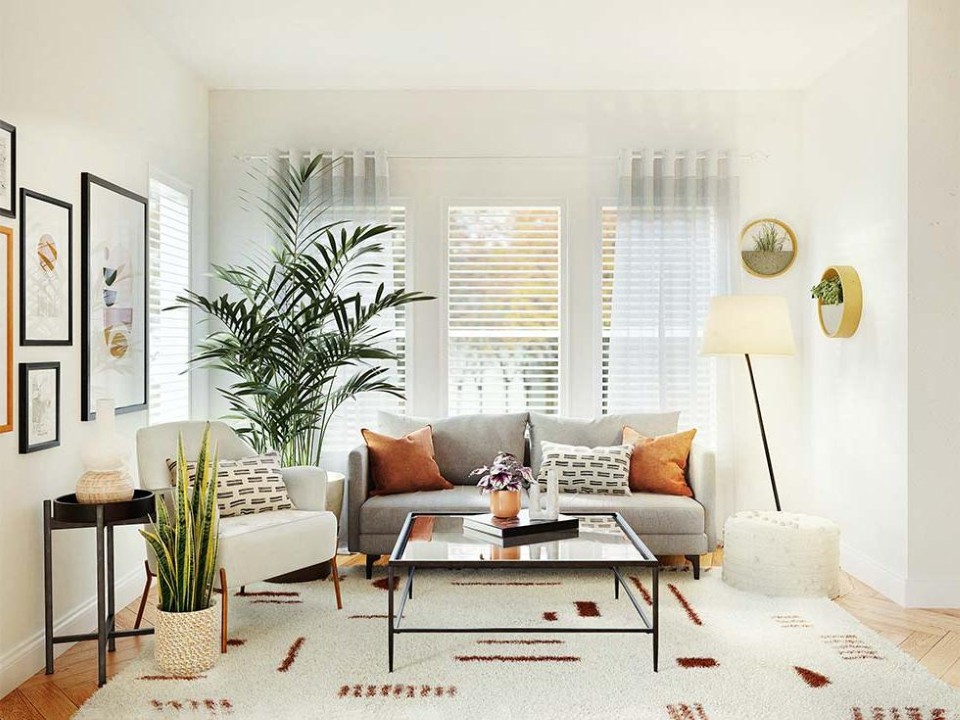
- Color Palette: Earthy tones like terracotta, mustard yellow, and deep emerald green.
- Furniture & Decor: The sunroom will never feel boring with bohemian decor. Utilize unique, geometric-patterned upholstery on your benches and layer vintage Moroccan rugs on the floor. Most importantly, transform the space into an indoor jungle. Hang macrame planters from the ceiling and place large, potted Monstera or Bird of Paradise plants in the corners. When the summer breeze flows through your open windows, the rustling leaves will create a perfect, natural symphony.
-
The Vintage Farmhouse Retreat
You can easily transform your sunroom into an elegant, sunlit dining area or a classic morning room by leaning into vintage, rustic aesthetics.
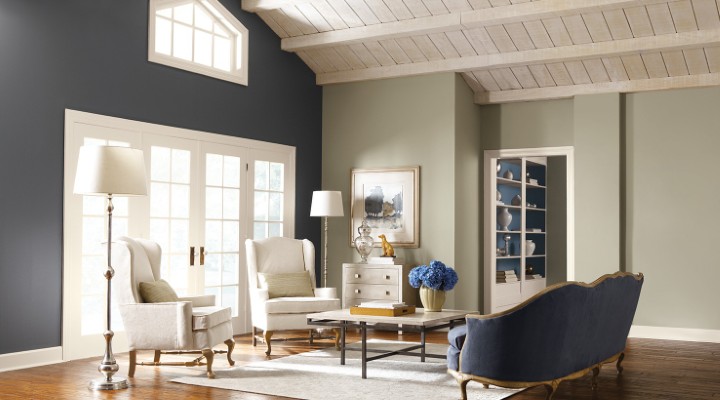
- Color Palette: Warm whites, distressed creams, and soft charcoal accents.
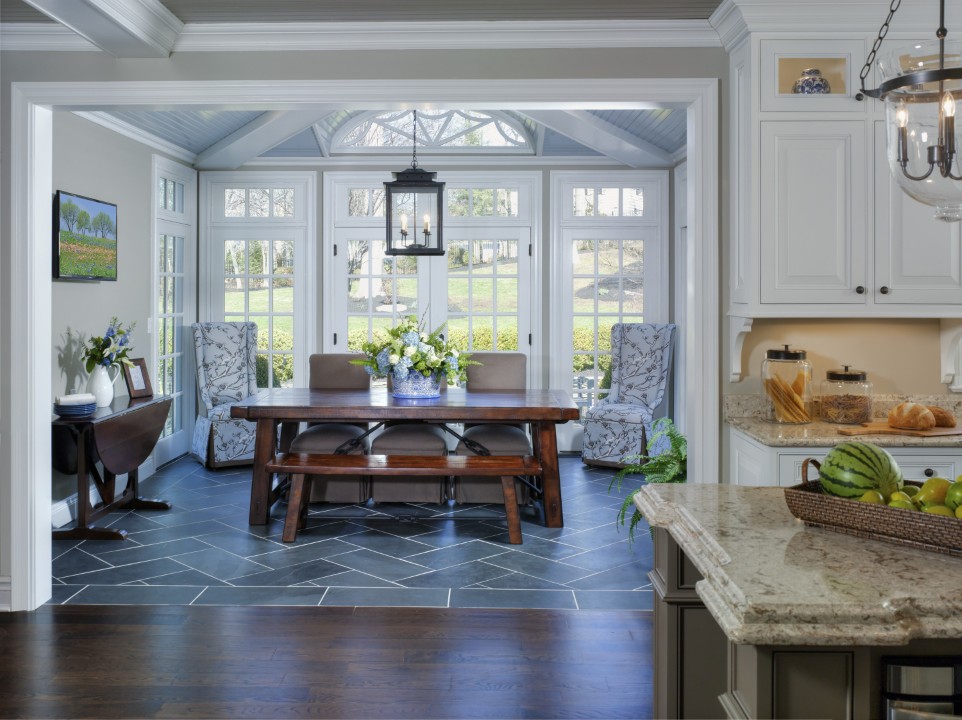
- Furniture & Decor: Use white as your primary canvas to maximize light reflection. Choose heavy, reclaimed wooden furniture—such as an antique farmhouse dining table—to ground the space and emerge a strong vintage impression. Complement this with wrought-iron light fixtures or a rustic chandelier. Don’t forget to incorporate floral arrangements; hanging potted flowers in vintage tin buckets allows them to thrive in the abundant sunlight while enhancing the old-world charm.
-
The Cozy Reading Nook
For many, a sunroom is a sanctuary meant for decompression, mental health, and relaxation. A clean, warm, and cozy sunroom is the ultimate spot to dive into a favorite novel or simply daydream.
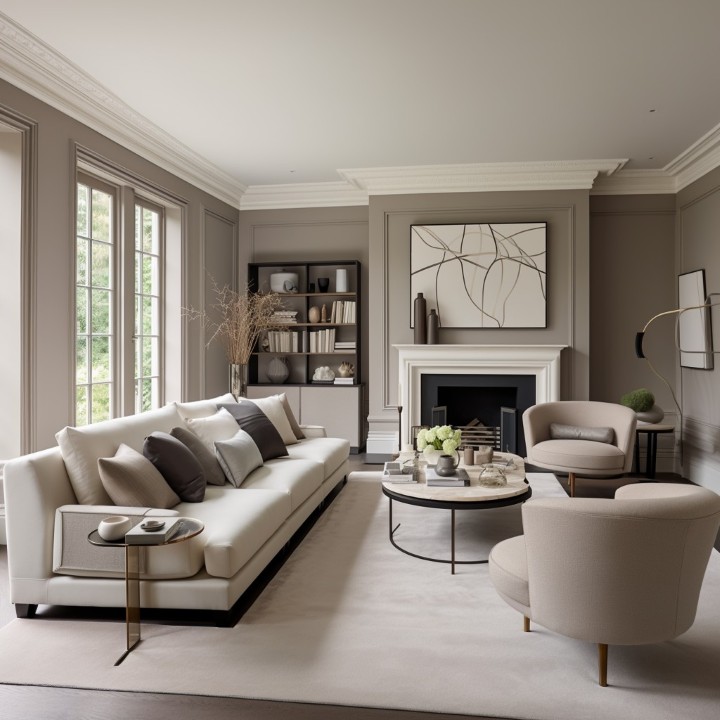
- Color Palette: Soft neutrals, warm grays, and pastel blues to promote calmness.
- Furniture & Decor: Invest in an overstuffed, plush sofa or a high-quality chaise lounge positioned strategically in the corner to maximize your view of the outdoors. Skulk yourself onto the cushions with a heavy knit throw blanket. Ensure you have a sturdy side table for a hot cup of coffee or tea. From this cozy vantage point, you can comfortably watch the rain pour or the snow drift, completely protected from the elements.
-
Small Sunroom Optimization
If your sunroom is narrow or features a smaller footprint, do not feel discouraged. Small spaces simply require smarter design choices to prevent them from feeling cluttered.
- Space-Saving Tactics: Avoid bulky, dark furniture. Instead, utilize built-in seating. Build a custom banquette or bench directly into the corner of the room.
- Decor: Upholster the bench seat with bright, cheerful fabric—such as a yellow floral print—to make the space feel vibrant and open. Add a small, glass-topped or pedestal round table; the lack of harsh angles makes movement easier in tight spaces.
- Storage: Crucially, maximize the dead space under your built-in bench by incorporating hidden drawers or lift-top storage to keep books, blankets, and gardening tools out of sight.
Planning
A sunroom is far more than a glass enclosure added to the back or side of your home. When designed and built correctly, it becomes a transformative living space—one that seamlessly connects indoor comfort with the calming presence of the outdoors. A well-executed sunroom offers year-round enjoyment, increased property value, and a daily sense of retreat without ever leaving your home.
However, building a sunroom is not a casual weekend project. It requires thoughtful planning, a realistic budget, compliance with local building regulations, and informed decisions about materials, insulation, and layout. Whether your vision involves a light-filled reading sanctuary, a plant-filled indoor garden, or a multifunctional family lounge, the success of your sunroom depends on preparation as much as creativity.
This comprehensive guide walks you through every major phase of sunroom creation—from conceptual planning to final interior styling—while offering practical price ranges, material comparisons, and actionable homeowner solutions.
Understanding What a Sunroom Really Is
At its core, a sunroom is an enclosed living space designed to maximize natural light through large windows, glass walls, or skylights. Unlike traditional rooms, sunrooms are intentionally exposed to sunlight and outdoor views, creating a unique atmosphere that blends relaxation with visual openness.
Sunrooms typically fall into two main categories:
Three-Season Sunrooms
These rooms are designed for use during spring, summer, and fall. They usually feature single-pane or basic double-pane windows and minimal insulation.
Typical cost range: $8,000–$25,000
Best for: Mild climates, casual lounging, seasonal entertaining
Four-Season Sunrooms
Four-season sunrooms are fully insulated, climate-controlled spaces that function like any other room in your house. They include energy-efficient windows, HVAC integration, and insulated walls, ceilings, and floors.
Typical cost range: $25,000–$80,000+
Best for: Year-round use, home offices, dining areas, or permanent living space
Planning Comes First: Permits, Codes, and Layout
Before purchasing materials or hiring contractors, homeowners must begin with research.
Consult Local Authorities Early
Contact your local building department to learn about:
- Property setbacks
- Zoning restrictions
- Foundation requirements
- Structural load standards
- Permit costs and timelines
Skipping this step often leads to costly corrections, delayed inspections, or even forced demolition.
Permit costs typically range from $150 to $2,500, depending on location and project complexity.
Budget Breakdown: Where Your Money Actually Goes
Understanding cost distribution helps you avoid overspending in one area while cutting corners in another.
| Component | Average Cost Range |
| Foundation & Framing | $4,000 – $12,000 |
| Windows & Glass | $6,000 – $20,000 |
| Roofing | $2,500 – $8,000 |
| Electrical & Lighting | $1,000 – $4,000 |
| HVAC Integration | $2,000 – $7,000 |
| Flooring | $1,500 – $6,000 |
| Interior Finishes | $2,000 – $10,000 |
Total typical investment: $20,000 to $60,000+
Choosing the Right Glass: Your Most Important Decision
Glass determines comfort, energy efficiency, and furniture longevity.
Recommended Option: Double-Pane Low-E Glass
Low-E (low emissivity) coatings reflect ultraviolet and infrared rays while allowing visible light to pass through. This helps:
- Reduce summer heat buildup
- Retain warmth during colder months
- Protect fabrics and flooring from fading
Although Low-E glass costs approximately 15–30% more upfront, it can reduce energy expenses by up to 25% annually.
Ventilation and Airflow: Preventing the Greenhouse Effect
Sunrooms naturally trap heat. Without proper airflow, they quickly become uncomfortable.
Essential ventilation features include:
- Operable windows (casement or awning styles work best)
- Ceiling fans
- Transom vents
- Optional mini-split AC systems
A quality ceiling fan typically costs $150–$600 installed, yet dramatically improves comfort.
Flooring Options That Survive Sunlight and Humidity
Avoid traditional hardwood unless heavily treated. Better alternatives include:
| Flooring Type | Price per Sq Ft | Durability |
| Porcelain Tile | $5–$15 | Excellent |
| Luxury Vinyl Plank | $3–$8 | Very Good |
| Natural Stone | $8–$25 | Excellent |
| Concrete Overlay | $6–$12 | Excellent |
Porcelain tile remains the most popular choice due to heat resistance and low maintenance.
Furniture That Actually Lasts
Sunrooms experience intense UV exposure and changing humidity. Delicate antiques or untreated woods rarely survive.
Instead, choose:
- Performance fabrics like those from Sunbrella
- Powder-coated aluminum frames
- Teak or eucalyptus wood
- Synthetic wicker
Expect to spend $2,000–$6,000 for a full furniture setup, depending on size and quality.
Lighting Strategy: Daylight Isn’t Enough
Even sunrooms need layered lighting:
- Recessed ceiling lights for evenings
- Floor lamps for reading zones
- Wall sconces for ambiance
- LED strips for architectural accents
Lighting packages typically cost $800–$3,000 installed.
Interior Design Concepts That Work Beautifully
Indoor Garden Retreat
- Large potted palms
- Hanging planters
- Bamboo shades
- Stone flooring
Budget: $1,500–$4,000
Cozy Reading Nook
- Built-in bench seating
- Floating shelves
- Soft rugs
- Accent lighting
Budget: $1,200–$3,500
Vintage Lounge
- Mid-century chairs
- Brass lamps
- Patterned cushions
- Warm wood tones
Budget: $2,000–$5,000
Energy Efficiency Tips for Long-Term Comfort
Smart upgrades include:
- Thermal curtains
- Exterior roof shades
- Programmable thermostats
- Solar window films
These modest investments (usually under $1,000 total) dramatically improve usability.
DIY vs Professional Construction
Some tasks are homeowner-friendly:
- Painting
- Flooring installation
- Furniture assembly
- Basic lighting
However, leave these to licensed professionals:
- Structural framing
- Electrical wiring
- HVAC connections
- Foundation pouring
Poor structural work risks inspection failure and future safety issues.
Return on Investment: Does a Sunroom Add Value?
Yes—when built correctly.
According to real estate estimates, sunrooms typically recover 50–70% of their construction cost in resale value. Four-season rooms often perform better because they are counted as livable square footage.
Common Mistakes to Avoid
- Skipping permits
- Using low-grade windows
- Ignoring airflow
- Buying indoor-only furniture
- Underestimating electrical needs
Each mistake can cost thousands to fix later.
Maintenance Expectations
Annual upkeep includes:
- Window cleaning
- Seal inspection
- Fan servicing
- Caulking touch-ups
Budget approximately $200–$500 per year.
Meeting Publishing and Monetization Standards
High-quality sunroom content like this aligns well with Google AdSense requirements when it demonstrates:
- Original insights
- Real pricing
- Practical homeowner guidance
- Clear structure
- Helpful tables
- Actionable advice
These elements signal authority and trustworthiness.
Conclusion
A sunroom is much more than a glass box attached to the back of your house; it is a lifestyle enhancement that bridges the comfort of your interior with the beauty of the natural world. Building a sunroom requires careful planning, strict adherence to local building codes, and a realistic assessment of what you can build yourself versus what requires a professional contractor.
Whether you choose a breezy three-season retreat or a fully insulated four-season living space, the true character of the room will shine through your interior design choices. From bohemian indoor jungles to cozy vintage reading nooks, your sunroom becomes a blank canvas ready to reflect your personal lifestyle.
When thoughtfully designed, a sunroom offers daily enjoyment, increases property value, and creates a calming space that feels separate from yet connected to your home.
Recommendations for Homeowners
Consult Local Authorities Early
Before sketching designs or purchasing materials, contact your local building department to understand setback rules and permit requirements. This single step can save thousands in penalties and delays.
Invest in Quality Glass
If your budget allows, prioritize double-pane Low-E glass—even for three-season rooms. It reduces heat gain, protects furniture from UV damage, and improves overall comfort.
Plan for Airflow
Sunrooms behave like greenhouses. Include operable windows and at least one high-quality ceiling fan to keep fresh air circulating.
Choose Appropriate Furniture
Avoid fragile antiques. Instead, select fade-resistant fabrics and weather-tolerant materials such as aluminum, teak, or synthetic wicker for long-term durability.
Budget for the Long Term
Set aside 10–15% of your project cost for future maintenance and upgrades.
By following these principles, your sunroom will evolve from a simple addition into one of the most loved and valuable spaces in your home.