The Kitchen as a Living Experiment
A kitchen is a nice place for having an experiment in the cooking process. It is the tactical center of the home, a place where raw ingredients are transformed into culinary masterpieces. In order to make a truly comfortable and inspiring kitchen, the decoration and ambiance of the space are required elements that should not be overlooked.
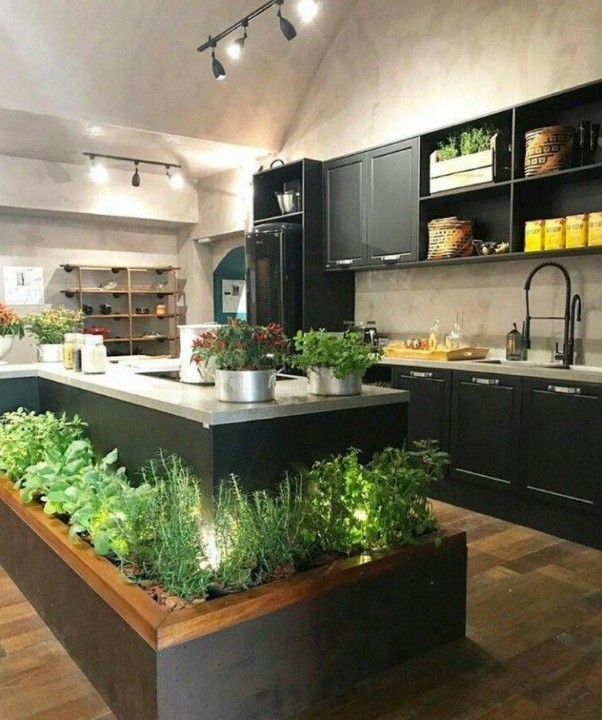
While there are many kitchen styles available for decorating—ranging from industrial chic to rustic farmhouse—those who crave a fresh, vibrant, and living atmosphere should consider decorating their kitchen with the “gardener style.” Integrating a garden into the kitchen provides much more than just visual appeal; it offers refreshing air, a greenery-filled atmosphere, and a direct connection to nature. It is a great idea for decorating your kitchen that bridges the gap between interior design and sustainable living.
If you want to create a beautiful kitchen with a garden, you may need to consider several foundational factors to ensure success. These include the specific types of plants that thrive indoors, the available space for placing those plants, and the logistical requirements of how to take care of them. Typically, a kitchen garden is composed of herb plants, small flowers, or ornamental small trees. Each serves a purpose: herbs provide immediate flavor for your cooking, flowers improve the beauty of the kitchen without requiring large amounts of space, and small trees offer lush, green scenery that anchors the room’s design.
Section 1: Selecting the Best Plants for Your Kitchen Garden
As mentioned previously, there are many types of plants that can be chosen for making a garden in the kitchen. To ensure your “living decor” is as functional as it is beautiful, you should start your selection with herbal plants. Herbs are the workhorses of the kitchen garden, providing fragrance, flavor, and medicinal benefits.
The Power of Dill (Anethum graveolens)
You may start your journey with the Dill plant. This herb is a staple in many cultures and is normally used for the flavoring of specific foods such as roasted potatoes, creamy dips, and various fish dishes. Beyond its culinary utility, Dill is a powerhouse of wellness. It has historically been recognized for its medicinal effects, particularly as a remedy for digestive issues, bad breath, muscle cramps, and swelling. Growing Dill in your kitchen garden allows you to harvest its feathery fronds at the peak of their potency, ensuring your meals are as healthy as they are delicious.
The Versatility of Parsley (Petroselinum crispum)
You may also choose Parsley as a foundational plant for your kitchen garden. Often unfairly relegated to the role of a simple garnish, Parsley is an essential flavoring agent for soups, stews, and sauces. From a nutritional standpoint, Parsley is a hidden gem; it serves as a significant source of Vitamin A and Vitamin C, and is frequently used as a natural aid for digestive health. Having a pot of Parsley on your windowsill ensures that a burst of nutrition is always within arm’s reach.
The Aromatic Elegance of Rosemary (Salvia rosmarinus)
If you want to plant a floral herb that offers a more structured, woody aesthetic, you should choose Rosemary. This plant is a favorite for seasoning heavy vegetables, roasted meats, and artisanal breads. Beyond the kitchen, Rosemary provides intoxicating fragrant scents and a beautiful, needle-like foliage look.
However, if you want to grow Rosemary successfully, you need to be careful with its maintenance. It is a Mediterranean plant that thrives in dry soil and requires significant sunlight. While you can water the Rosemary, it must not be in excessive amounts, as “wet feet” can lead to root rot. It is the perfect choice for the sunniest corner of your kitchen.
The Green Scenery of Fennel (Foeniculum vulgare)
If you want to make a dramatic statement with green scenery in your kitchen garden, you can plant Fennel. This plant features full, delicate green leaves that create a soft, misty green scenery. Fennel is prized for its strong, sweet, and aromatic scent, which can mask cooking odors and refresh the air.
In the culinary world, Fennel is used as both a garnish and a primary ingredient in salads and Mediterranean dishes. Like Rosemary, Fennel prefers to live in dry, well-draining soil. To keep this plant thriving, you must ensure you are not overwatering it. Because Fennel can grow quite tall, it is best placed in a deeper pot at the end of a counter or on a dedicated floor stand.
The Beauty of Chamomile (Matricaria chamomilla)
If you want to plant a flower for your garden in the kitchen that also serves a practical purpose, Chamomile is a top-tier choice. This flowering plant is a celebrated herbal remedy, famous for its use in herbal teas across the United States of America and Europe. Chamomile is renowned for its medicinal effects, including its ability to treat inflammation, stomachaches, and frayed nerves.
Visually, Chamomile is a delight. It looks exceptionally beautiful when the flowers fully blossom, displaying a cheerful combination of white petals and yellow centers. This plant provides a beautiful insight and a “cottagecore” feel to your kitchen garden.
The Soothing Purple of Lavender (Lavandula)
To add a splash of color, you can grow the Lavender flower to introduce a calming purple hue to your kitchen. Lavender offers a sweet, floral flavor that can be used in baking or to infuse syrups. Practically, Lavender is also known for its ability to reduce the presence of mosquitoes and other flying insects. The scent of Lavender is universally loved for its ability to reduce stress, making the kitchen a more relaxing place to work.
Section 2: Creative and Sustainable DIY Pot Ideas
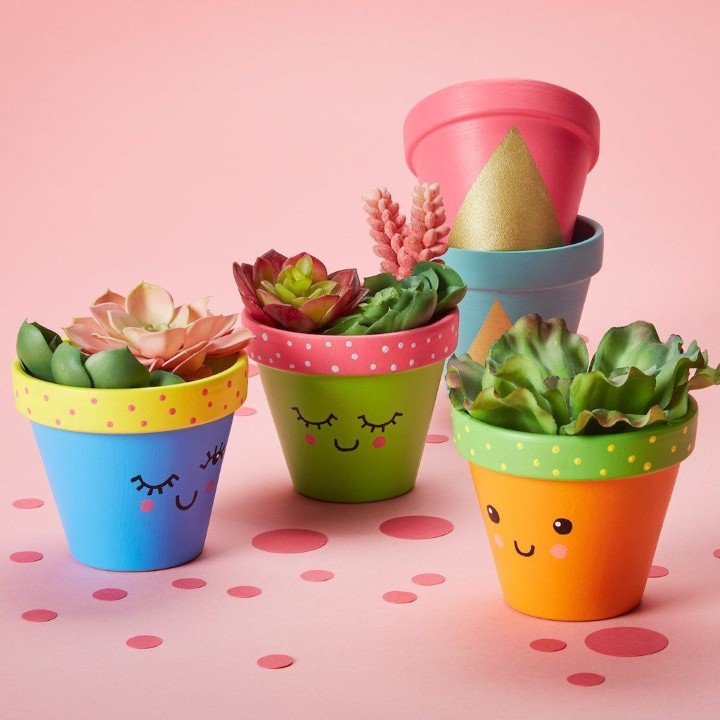
In the making of a garden in the kitchen, you will eventually need to think about the containers or pots for your plants. While you may certainly buy high-end ceramic or plastic pots from a shop, creating unique, DIY pots can significantly increase the beauty and personality of your kitchen garden. Repurposing household items into planters is an excellent way to practice sustainability while achieving a “designer” look.
The Industrial Charm of Recycled Cans
If you have a lot of reused cans in your recycling stock, you can utilize them as charming, industrial-style pots. To transform a tin can into a planter, follow these steps:
- Preparation: Wash the can thoroughly with water and soap.
- Detailing: Remove any ink or labels from the can by using alcohol or a gentle adhesive remover.
- Drainage: Use a drill or a hammer and nail to create small holes on the bottom side of the can. These small holes are essential for drainage, ensuring your plant’s roots do not sit in stagnant water.
- Aesthetics: You can use cans in several sizes to create a “tiered” look on your counter. For an extra touch of decoration, add small stones inside the can or around the base.
The Rustic Appeal of Leftover Baskets
If you have a leftover wicker or wire basket that is still in good condition, it makes a wonderful container for your kitchen garden. A basket adds a soft, organic texture that improves the beauty of the kitchen decoration. Big baskets can be used to group several smaller herb pots together, creating a “mini-garden” effect that is easy to move if you need more counter space for cooking.
Innovative Self-Watering Wine Bottle Planters
Another highly creative idea for the garden in the kitchen is to create a self-watering container using glass wine or jar bottles. This method is technically known as a “wicking system” and is perfect for busy individuals.
- How it works: You can use a glass bottle or jar and fill it with water. Then, you connect a cylindrical tube or the top half of a cut bottle (inverted) filled with soil and the plant.
- The benefit: The plant will naturally absorb the water it needs through a wick or the soil itself. This system consumes very little space and looks incredibly creative and unique. It is a great conversation piece that shows off your DIY skills.
Decorative Bowls as Elegant Planters
You can also use decorative ceramic bowls as containers. A bowl with a hand-painted pattern or a unique texture on its side can provide a lot of visual beauty to your kitchen. Because bowls are often wider and shallower, they are excellent for plants like Chamomile or Lavender that don’t have extremely deep root systems.
Section 3: Design, Layout, and Placement Strategies
Once you have your plants and pots ready, the next step in finding the best garden in the kitchen ideas is determining where everything will go. A kitchen garden should be an asset, not an obstacle.
The Window Sill Garden
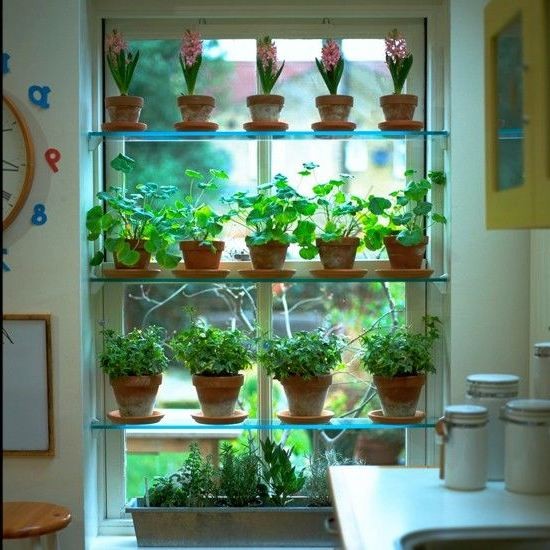
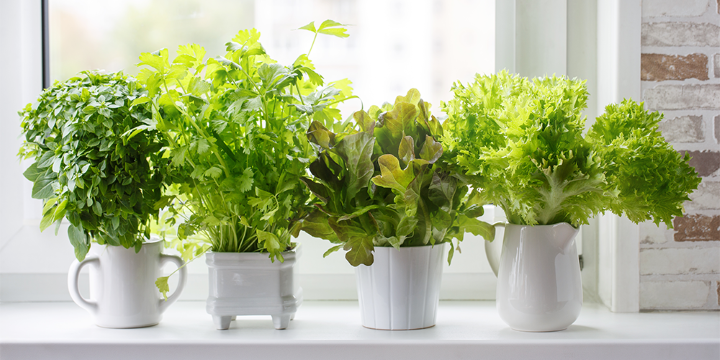
The most traditional and effective place for a kitchen garden is the windowsill. This location provides the direct sunlight that herbs like Rosemary and Fennel crave. If your windowsill is narrow, consider installing a small “extension” shelf or using hanging pots that attach to the top of the window frame.
Corner Garden Solutions
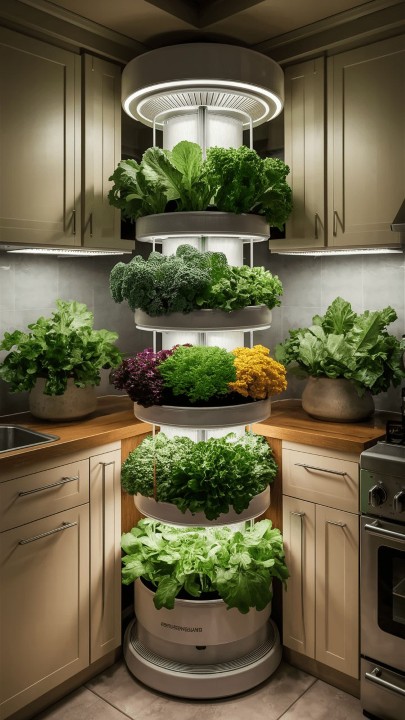
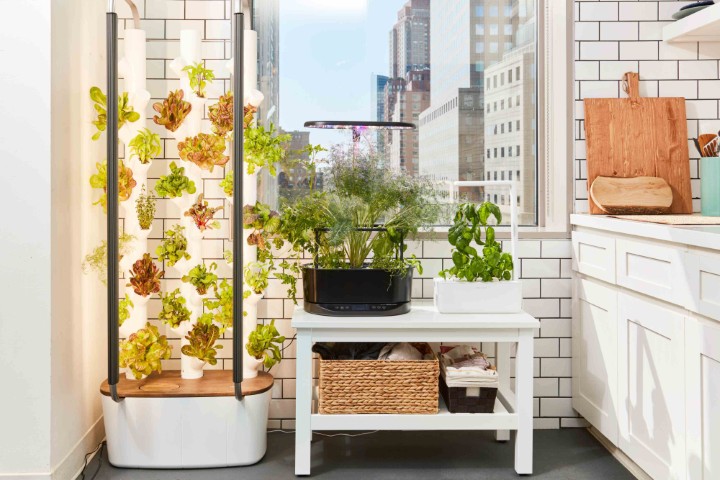
If you have a plan to make a kitchen garden but are worried about space, you can make a garden in the corner of your kitchen. Corners are often underutilized “dead spaces” in kitchen design. Placing a tiered stand in the corner allows you to grow multiple levels of plants without disturbing your main cooking activities.
Integrated Cabinetry and Floating Shelves
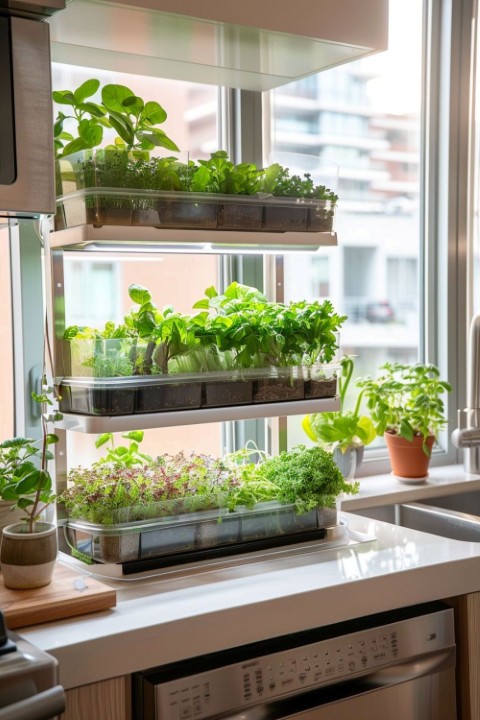
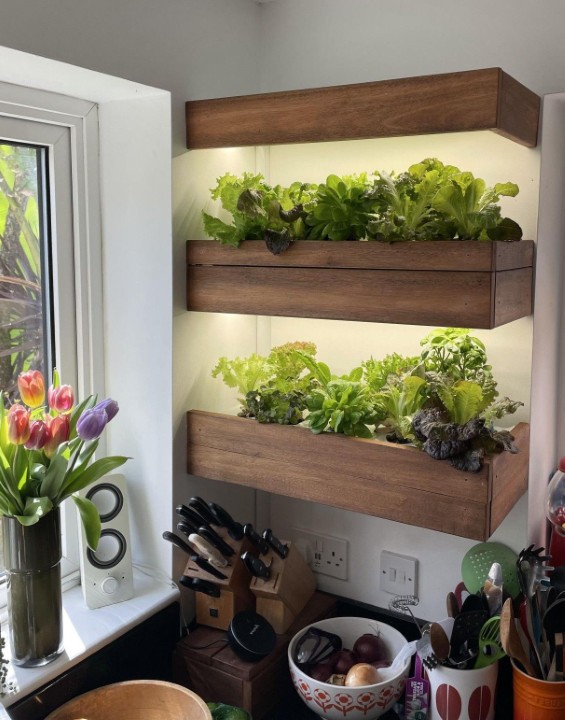
For a more modern look, you can create dedicated cabinets or floating shelves specifically for your plants. Installing LED “grow lights” underneath upper cabinets can allow you to grow a lush herb garden even if your kitchen doesn’t have much natural light. This integrated approach ensures that the soil and watering process will not make your kitchen dirty, as the plants are contained in a controlled area.
Section 4: Maintenance and Cleanliness
A successful kitchen garden requires a balance between nature and the hygiene requirements of a food-preparation area.
Keeping it Clean
One of the most important rules for a kitchen garden is to ensure that the soil and watering will not make your kitchen dirty. To prevent messes:
- Trays and Saucers: Always use a tray or saucer underneath your pots to catch excess water and falling soil.
- Strategic Watering: Use a long-necked watering can to deliver water directly to the base of the plant, preventing splashing.
- Pest Management: Keep an eye out for small gnats or aphids. Because these plants are in your kitchen, use only food-safe, organic pest control methods like neem oil or a mild soap-and-water spray.
Managing Plant Growth
Regularly “pinching” or harvesting your herbs (like Parsley and Dill) actually encourages them to grow back bushier and healthier. Do not be afraid to use your plants! The more you use your kitchen garden for your cooking, the more it will flourish.
Section 5: The Psychological and Health Benefits
Beyond the greenery and the flavoring, having a garden in the kitchen offers profound psychological benefits. Studies in “biophilic design” suggest that being surrounded by living plants reduces stress and increases happiness.
- Air Quality: Plants like Fennel and Lavender act as natural air purifiers, absorbing carbon dioxide and releasing fresh oxygen.
- Sensory Experience: The combination of the fragrant scents of Rosemary, the visual beauty of Chamomile, and the taste of fresh Dill creates a multi-sensory experience that makes spending time in the kitchen more enjoyable.
- Culinary Inspiration: Having fresh ingredients in your line of sight encourages you to try new recipes and experiment with fresh flavors rather than relying on dried, store-bought spices.
Cultivating Your Kitchen Sanctuary
In conclusion, the kitchen is much more than just a place to prepare food; it is a nice place for having a life experiment. By decorating your kitchen with a gardener style, you create a space that is vibrant, healthy, and exceptionally beautiful.
Whether you choose to grow medicinal herbs like Dill and Parsley, aromatic plants like Rosemary and Fennel, or beautiful flowers like Chamomile and Lavender, the garden in the kitchen will give a refreshing air and greenery atmosphere to your home. By utilizing DIY pots made from cans, baskets, or wine bottles, you can express your creativity and make the space uniquely yours.
As you embark on this project, remember to consider the types of plants, the space for placing them, and the necessary care routines. With a little bit of planning and a lot of passion, you can transform your kitchen into a green sanctuary that nourishes both your body and your soul. Finding the best garden in the kitchen ideas is simply the first step in a rewarding journey of indoor gardening that you will enjoy for years to come.