The New Era of the Cabin
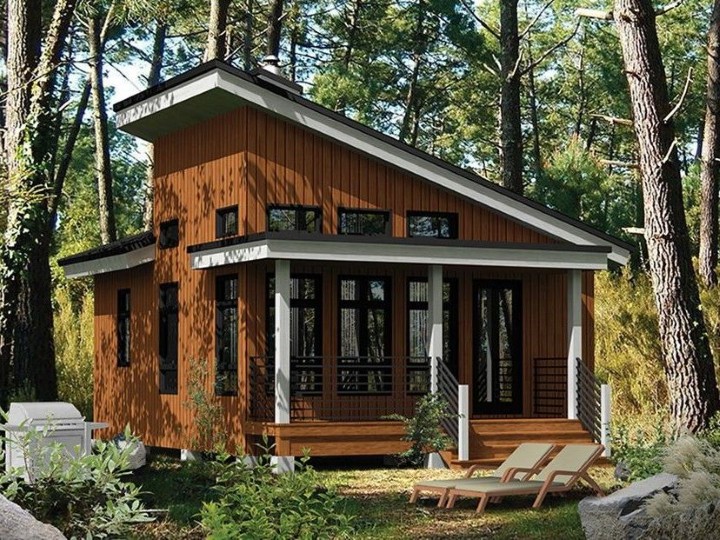
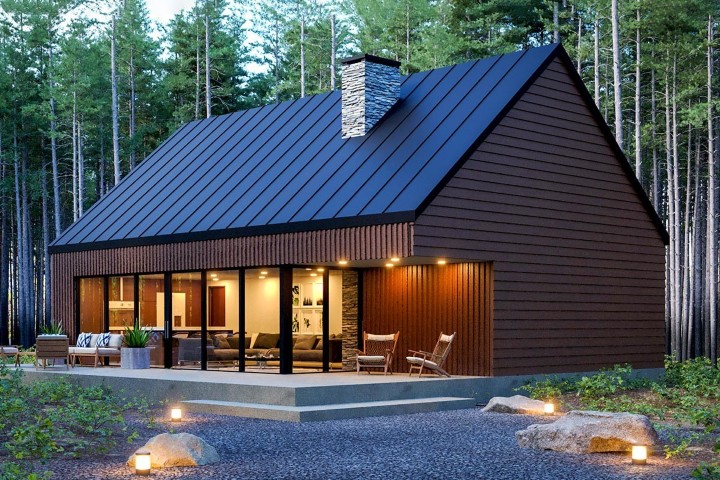
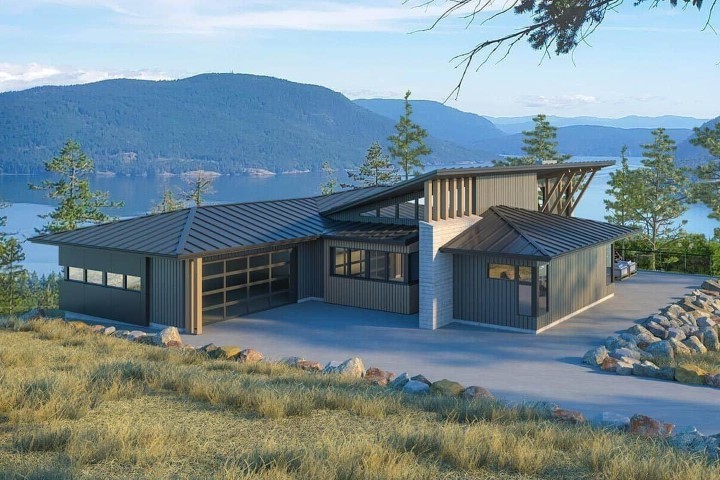
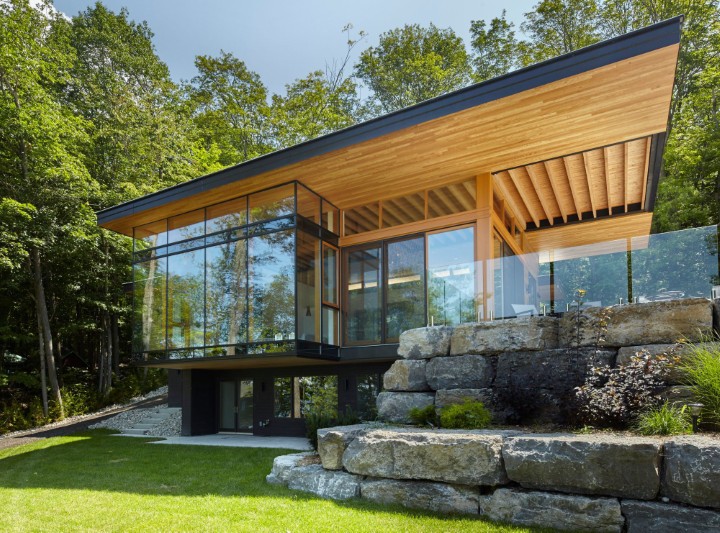
The modern cabin floor plan has evolved far beyond the traditional log-and-mortar structures of the past. Today, it is defined as one of the most sought-after architectural styles, blending the ruggedness of the wilderness with the sleekness of urban design. This particular amazing cabin floor design offers distinctive and eye-pleasing impressions that make your living area stand apart from most homes that have ever existed.
What makes a cabin “modern“? It is the departure from symmetry and the embrace of the landscape. There are several elements that will grab your attention immediately: the bold use of asymmetrical angles, a clean and neat aesthetic, incredible minimalist ornaments, and an emphasis on the surrounding environment. It is clear that you will never be disappointed when you make a modern-themed cabin floor plan a reality. However, because these structures often face extreme weather and unique topographical challenges, there are several things that you need to deeply consider when you create your modern cabin floor designs. Fortunately, you can figure them out as we dive into this comprehensive planning guide.
-
The Measurement Required: Scaling Your Vision
The first thing that you must consider when you want to create a modern cabin floor plan is the precise measurement required for the building. In the beginning phase of the architectural process, it is vital to find the right size that your lifestyle requires. Modern cabins are unique because they defy standard sizing conventions.
From Tiny to Grand
Basically, there are diverse options available to you. On one end of the spectrum, you have the “micro-cabin” or tiny home movement, where a modern cabin might be a simple 99 square feet designed for off-grid solitude. On the other end, luxury mountain lodges can span up to 9,000 square feet, where approximately 2,200 square feet might be dedicated solely to a grand living room or “great room.”
Defining Your Movement Space
Based on these facts, you need to ensure that you define a measurement that allows for “spatial flow.” A common mistake in cabin design is making the footprint too small to save money, only to find that the occupant cannot move freely. You must account for hallway widths, furniture clearance, and ceiling heights. In addition to this, it is a very good idea to let an expert or a professional architect assist you. They can help navigate local zoning laws and ensure that your contemporary cabin floor plan maximizes every square inch while remaining structurally sound.
-
The Style Philosophy: Defining the Modern Aesthetic
The second thing you have to notice when making a modern cabin floor plan is the specific modern style you want to build. “Modern” is a broad umbrella that covers several sub-genres.
The Industrial Cabin Style
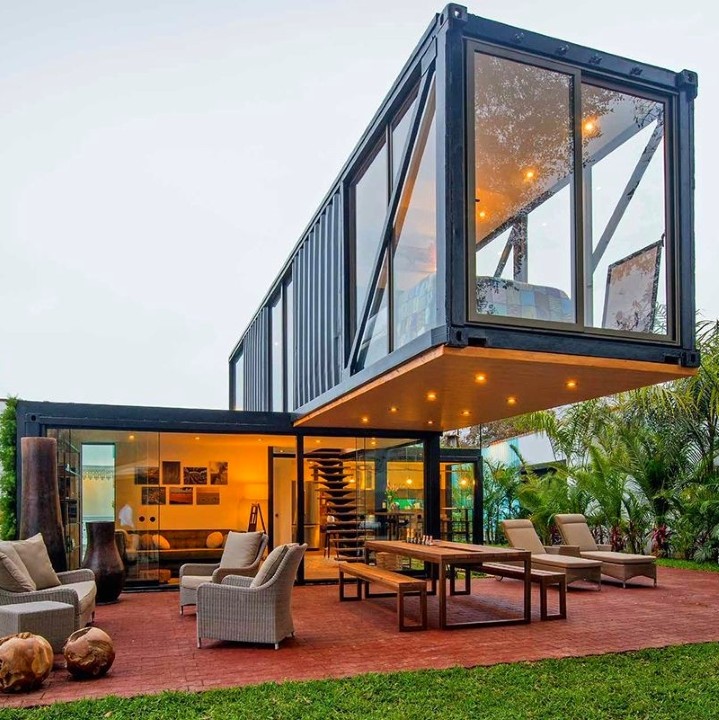
This specific cabin design focuses on bringing a remarkable industrial vibe to your living area. It is characterized by the use of “raw” materials and vintage-inspired components. In an industrial cabin, you might apply vintage-style Edison bulb lighting, exposed metal cabinetry, and heavy-duty furniture made of iron and reclaimed wood. By doing so, you create an interesting “twist”—a juxtaposition between the soft natural forest and the hard, utilitarian edges of industry. This pushes the overall decoration of your cabin to another level.
The Luxury Modern Cabin
Alternatively, you may choose a luxury-styled modern cabin design. This is particularly effective if you have a wide, outstanding plot of land with 360-degree views. Luxury cabins focus on beautifying every single room through high-end finishes. You have the chance to match your modern cabin design interior with elegant mirrors that reflect the forest views, artistic beds that serve as sculptural centerpieces, and unique tables crafted from single slabs of stone or wood. Each of these elements provides a notable statement, making your modern cabin look both fabulous and splendid simultaneously.
-
Suitable Materials: The Bone and Skin of the Cabin
The third thing you cannot ignore while making a modern cabin floor plan is the selection of suitable materials. Unlike traditional cabins that rely almost exclusively on timber, modern cabins embrace the durability of the 21st century.
The Rise of Metal and Chrome
You should definitely put metal and chrome on your list of potential materials. Metal offers extraordinary simplicity and makes the cabin faster and easier to build through pre-fabricated components. Furthermore, metal is a choice for those who want an affordable cost. Often, a steel-frame cabin is less expensive than a hand-hewn log cabin because it requires less specialized labor. You don’t have to “break your bank account” to own a modern metal cabin, yet it provides a sleek, futuristic look that is incredibly low-maintenance.
The Strength of Concrete
On the other hand, concrete has recognized as one of the most excellent materials for modern cabins. Concrete suits the industrial theme perfectly, whether applied to the interior floors or the exterior facade. The true value of concrete lies in its longevity; it can survive numerous different weather cycles, from the scorching dry season to the heavy snows of the wet season. By choosing concrete, you ensure that you do not need a cabin renovation project every few years, saving you a significant amount of money and stress in the long run.
-
The Exterior Focus: Blurring the Lines Between Inside and Out
Aside from the interior, you must pay close attention to the exterior of the modern cabin. The modern generation of homeowners prefers cabins that look “slick” but also a little bit “raw.”
Modest Components and Monochrome Palettes
Modern cabin exteriors often feature modest components: rectangular silhouettes, cozy but minimalist chairs, and monochrome furniture. A black-on-black or dark gray exterior is a popular modern trend because it allows the cabin to “recede” into the shadows of the trees, making the structure feel like a natural part of the forest rather than an intrusion.
The Glass Revolution
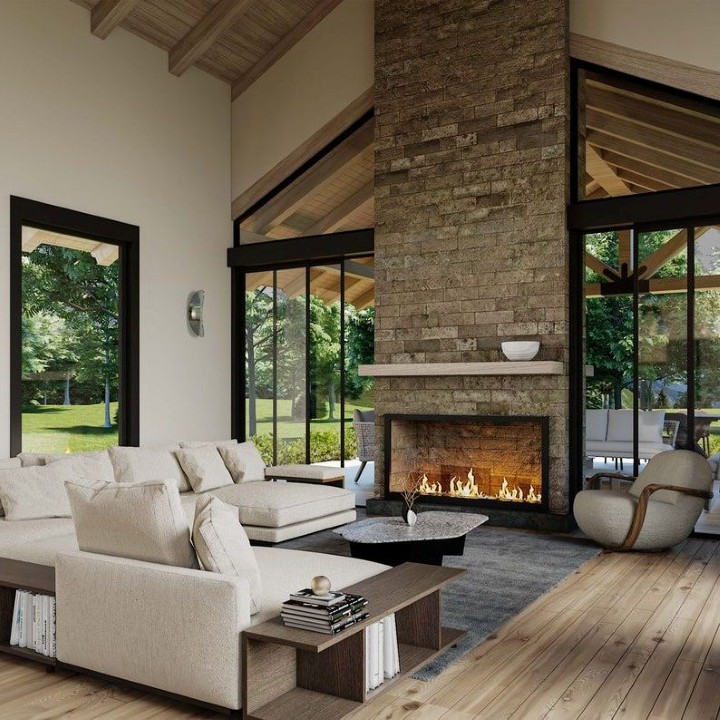
One of the most important aspects of the modern cabin floor plan is the use of wide windows and sliding glass doors. These allow you to enjoy tremendous natural views from every corner of the house. This creates a relaxing and calm atmosphere, as the boundaries between the living room and the forest disappear. Not only that, but the glass exterior lets natural light flood the rooms, creating a bright and warm nuance. This natural illumination makes the interior feel much larger than its physical measurements suggest.
-
Efficient Space Utilization: The Art of the Floor Plan
Last but not least, you have to use the space in your modern cabin as efficiently as possible. This is where the floor plan truly comes to life. In a cabin environment, every square foot should have a purpose.
Choosing the Right “Stuff”
To make your modern cabin design interior work fabulously, you must choose furniture and appliances that fit the available area. For example:
- Murphy Beds or Lofts: Excellent for small cabins (99–500 sq ft).
- Open Concept Kitchens: Eliminating walls between the kitchen and living area creates a spacious place for living that lets you move without obstruction.
- Built-in Storage: Using the spaces under stairs or within walls to hide clutter.
By focusing on efficiency, you create a home that feels light and airy. Nothing should bother your movement; the floor plan should be a “map” of your daily routines, designed to make life simpler and more focused on the nature outside.
-
Sustainable Infrastructure: Planning for the Future
When creating a modern cabin floor plan, you must also consider the “hidden” elements. Modernity is not just about looks; it is about performance.
Thermal Performance and Insulation
Because cabins are often in remote, cold, or high-altitude locations, your floor plan must account for high-performance insulation. Modern cabins often use Spray Foam or Rigid Foam Board to achieve a high R-value without making the walls too thick. This keeps the “clean and neat” look while ensuring you stay warm.
Off-Grid Capabilities
Many modern cabin enthusiasts are looking for independence. Your floor plan should include space for solar battery storage, water filtration systems, and perhaps a composting toilet area if the cabin is truly remote. Integrating these into the initial floor plan ensures they don’t look like an afterthought later.
-
Psychological Well-being and “Biophilic” Design
Why do we love modern cabins? It is because they satisfy a psychological need for “Biophilia”—our innate tendency to seek connections with nature and other forms of life.
Framing the View
A great modern cabin floor plan doesn’t just put windows everywhere; it “frames” the view. Think of your windows as picture frames. One window might frame a specific mountain peak, while another frames a nearby stream. This deliberate placement makes the cabin interior feel like a gallery of the natural world.
The Contrast of Textures
Inside, the modern cabin thrives on contrast. The “industrial vibe” mentioned earlier—metal and concrete—works best when paired with soft, organic textures like wool rugs, leather chairs, and sheepskin throws. This balance of “hard” and “soft” is what makes a modern cabin feel like a home rather than a cold museum.
Practical Step: Hiring the Right Team for a Modern Cabin Project
Building a modern cabin is not just about aesthetics—it is a sophisticated architectural process that blends engineering precision, spatial psychology, and lifestyle design. While many people are attracted to the idea of a cozy retreat in nature, transforming that vision into a structurally sound, comfortable, and visually striking cabin requires expertise far beyond basic construction skills.
This section explains what kind of team you need, why professional involvement matters, and when to bring in experts during your modern cabin journey.
Why You Need an Expert: Beyond the DIY Mindset
The DIY spirit is deeply rooted in cabin culture. Traditionally, cabins were small, practical shelters built with hands-on craftsmanship. However, modern cabin design has evolved.
Today’s modern cabins often include:
- Asymmetrical rooflines
- Large glass walls and floor-to-ceiling windows
- Open floor plans with minimal structural interruptions
- Mixed materials such as concrete, steel, wood, and glass
These features may look clean and simple on the surface, but structurally, they are far more complex.
The Hidden Risk of “Clean and Neat” Design
Minimalist design can be deceptive. When walls disappear and ceilings soar, load distribution becomes critical. An experienced architect or structural engineer ensures that the visual simplicity does not hide:
- Weak load paths
- Insufficient beam support
- Poor thermal performance
- Water intrusion risks in extreme climates
A professional does not just “draw plans.” They translate aesthetics into safe, buildable, and code-compliant structures.
The Role of an Architect in Modern Cabin Design
What an Architect Actually Does
An architect helps you:
- Translate lifestyle needs into spatial layout
- Optimize natural light and views
- Balance openness with privacy
- Choose materials suitable for climate and terrain
- Ensure compliance with local building codes
More importantly, an architect ensures that your cabin ages well, both visually and structurally.
Why Scale and Proportion Matter
Modern cabins often fail when furniture, mirrors, and interior elements are selected without considering room proportions. Oversized windows, for example, demand carefully scaled interiors.
A professional designer can help you choose:
- Elegant mirrors that enhance light without overwhelming the space
- Artistic furniture that complements ceiling height
- Lighting systems that maintain warmth despite minimalism
This prevents the cabin from feeling cold, echoing, or unfinished.
When to Hire Professionals (Timing Matters)
One of the biggest mistakes homeowners make is hiring experts too late.
Ideal Timeline
- Concept Phase – Hire an architect
- Design Development – Bring in structural and energy consultants
- Pre-Construction – Consult contractors for cost validation
- Construction Phase – Ongoing professional supervision
Hiring experts early saves money by preventing redesigns, delays, and structural corrections later.
Cost Estimates: What Does a Modern Cabin Really Cost?
Understanding cost upfront is essential—not just for budgeting, but for making informed design decisions.
Below is a realistic breakdown of modern cabin construction costs in the United States. Prices vary by region, site difficulty, and design complexity.
-
Architectural & Professional Fees
| Service | Estimated Cost |
| Architect (full service) | 8%–15% of construction cost |
| Structural engineer | $2,000–$6,000 |
| Energy / sustainability consultant | $1,500–$4,000 |
| Interior designer (optional) | $3,000–$12,000 |
For a $400,000 cabin project, architectural fees alone may range from $32,000 to $60,000.
-
Construction Costs (Per Square Foot)
Average Modern Cabin Build Costs
| Quality Level | Cost per Sq Ft |
| Basic modern cabin | $200–$300 |
| Mid-range modern cabin | $300–$450 |
| High-end luxury cabin | $500–$800+ |
Example Cost Scenarios
Small Modern Cabin (800–1,200 sq ft)
- Construction: $240,000–$480,000
- Total with fees & permits: $280,000–$550,000
Medium Cabin (1,500–2,500 sq ft)
- Construction: $450,000–$1,100,000
- Total project cost: $520,000–$1.3M
Large Luxury Cabin (4,000–9,000 sq ft)
- Construction: $2M–$6M+
- Total project cost: $2.3M–$7M+
-
Key Cost Drivers You Must Understand
Site Conditions
- Remote locations increase labor and transport costs
- Sloped terrain may require retaining walls or special foundations
Materials
- Large glass panels: $80–$150 per sq ft
- Steel framing: higher upfront cost, longer lifespan
- Concrete floors: $8–$15 per sq ft (polished finish costs more)
Energy Efficiency
- Triple-glazed windows: +15–25% cost
- High-performance insulation: saves long-term energy costs
- Solar integration: $15,000–$40,000 upfront
-
Interior Costs: Where Design Meets Comfort
| Element | Typical Cost Range |
| Custom cabinetry | $15,000–$50,000 |
| Artistic furniture | $10,000–$60,000 |
| Designer lighting | $5,000–$25,000 |
| Flooring (wood/concrete) | $12–$25 per sq ft |
These elements define the emotional quality of the space—whether it feels sterile or serene.
Conclusion: The Reward of Modern Cabin Design
Creating a modern cabin floor plan is one of the most rewarding architectural journeys you can undertake. It is not simply about building a house; it is about crafting a lifestyle anchored in intention.
A well-designed modern cabin delivers:
- Visual calm
- Functional efficiency
- Emotional connection to nature
- Long-term value and durability
Whether your cabin is a 99-square-foot retreat or a 9,000-square-foot lodge, the principles remain unchanged:
- Keep it clean
- Keep it functional
- Let the view lead the design
Modern cabins represent a balance between progress and preservation. They allow you to experience the calming rhythm of the wilderness while enjoying refined, contemporary comforts.
By investing in the right professionals, understanding true costs, and planning with clarity, you don’t just build a cabin—you create a sanctuary that meets expectations and exceeds them.
Start planning your modern cabin today, and give yourself the living space you truly deserve.