Modern Home Renovation: A Complete Guide to Planning, Design, and Costs in 2026
A modern home renovation is more than a cosmetic upgrade. It is a strategic transformation that reshapes how you live, move, and feel inside your home every single day. In 2026, homeowners are no longer renovating just to follow trends—they are redesigning their spaces to support better lifestyles, higher efficiency, and long-term property value.
This guide walks you through practical recommendations for a smooth renovation process, explains why each decision matters, and ends with a realistic cost estimate so you can plan confidently. Whether you are updating a dated house or refining an already modern space, this article is designed to help you make smart, informed choices from start to finish.
Why Modern Renovation Requires a Strategic Approach
Modern design may look clean and effortless, but achieving it is anything but accidental. Open layouts, sleek finishes, and seamless lighting systems require careful planning and coordination. Without a clear strategy, renovations often become stressful, expensive, and disappointing.
A successful modern renovation balances:
- Function (how you live)
- Aesthetics (how it looks)
- Efficiency (how it performs)
- Longevity (how it ages over time)
The following professional recommendations are designed to help you avoid common pitfalls and ensure your renovation runs smoothly.
The Philosophy of Modern Renovation
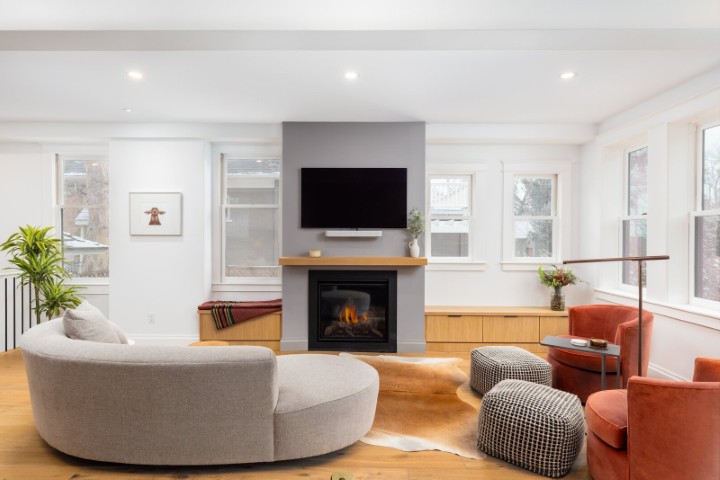
A modern home renovation is more than just a repair project; it is a fundamental reimagining of your living environment. It is a necessary endeavor especially when you want to make your living area look brand new and aligned with contemporary lifestyles. This particular renovating idea can significantly upgrade the look of your home, ensuring it always pleases the eyes of the people who see it.
Beyond mere aesthetics, a modern renovation brings a fresher and sleeker vibe through its cleaner and neater lines. One of the hallmarks of this style is the use of distinctive asymmetrical angles and geometric shapes that change the aesthetical value of a property, elevating it to an entirely new level of sophistication. However, embarking on this journey is often challenging. Because there are so many things that you have to do—from structural changes to final decorative touches—it is no wonder that many homeowners feel overwhelmed and unsure of where to begin.
Fortunately, success in modern renovation is achievable through disciplined planning and a clear vision. Below is a comprehensive analysis of the most recommended things you have to do for a successful, high-impact modern renovation.
-
Creating the Right Strategic Plan
The absolute first step in any modern home renovation is creating the right plan. Without a blueprint, a renovation is merely a series of expensive mistakes. A strategic plan acts as your North Star, guiding you through the complex maze of the renovating project.
Understanding Your Space
In this phase, you need to develop a deep understanding of the measurements and the physical shape of your home. Modern design relies on “spatial awareness“—knowing exactly how much room you have for movement, light, and furniture. By understanding the footprint, you will be able to organize the rooms in your living area in the best way possible.
DIY vs. Professional Assistance
While you can certainly attempt the planning phase yourself to ensure the renovation meets your specific requirements and expectations, modern design is technically demanding. If you do not have enough time or technical expertise, it is highly recommended to hire experts from a trusted home renovating firm. Architects and interior designers are awesome partners; they provide useful suggestions, identify structural risks, and offer ideas you may not have considered. They ensure the renovation works efficiently without wasting your time, energy, or budget.
-
Choosing the Suitable Modern Style
The second pillar of a great modern home renovation is choosing a specific style that suits your property and personality. “Modern” is a broad category, and narrowing it down is essential for a cohesive look.
The Industrial Modern Style
A popular choice among the younger generation is the industrial style. This modern home style offers a remarkable nuance that makes your living area stand apart from ordinary homes. Characterized by exposed brick, raw concrete, and distinctive metal furniture, it celebrates the structural elements of the building. Industrial lighting fixtures—often featuring Edison bulbs and matte black steel—show a different look that satisfies the eye and creates a “loft-like” atmosphere even in a traditional house.
The Luxury Modern Renovation
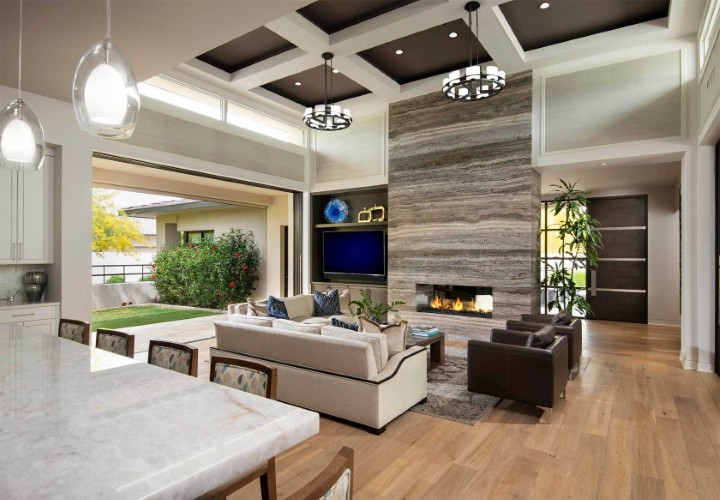
Alternatively, you can try to create a luxury modern renovation. This idea emphasizes improving the elegance of your home through high-end materials and finishes. On the exterior, luxury modernism might include an artistic gazebo, a sleek swimming pool, or an architectural swing. On the inside, the focus shifts to premium furniture such as oversized mirrors, minimalist chandeliers, and bespoke cabinetry. The right “mix and match” of these luxury elements significantly increases the beauty of the home, creating a space that feels like a five-star retreat.
-
Engineering Spaciousness and Ample Free Zones
Modern design is synonymous with space. Making spacious areas in your modern-themed home is an absolute requirement. In modern design, “empty space” is just as important as the furniture that fills it.
Creating the “Flow”
You must create ample free zones that allow you to move flawlessly without being bothered by clutter. This is easier to achieve by adding contemporary, simple furniture. Rectangular-shaped furniture and industrial-themed ornaments provide a high-functionality look while still providing large spaces for movement.
Outdoor Integration: The Patio and Landscape
Modernity doesn’t stop at the walls of your house. You should create a nice open area outside of your home, such as a comfy patio. This serves as a gathering spot for family and friends, effectively extending your living room into the outdoors. Furthermore, complementing your renovation with a green, minimalist landscape (such as a Zen garden or a structured lawn) provides a refreshing vibe. This green landscape balances the “hardness” of modern materials like metal and concrete, creating a harmonious environment.
-
Connecting Sections: The Open-Concept Movement
A modern home must feel integrated. You should never forget to connect every section of your home as seamlessly as possible.
Reducing Dividing Walls
The most effective way to make a home look larger and bigger is to keep the rooms open. By reducing or removing non-structural dividing walls, you allow for better air circulation and a more social living environment. This “open-concept” layout allows you to use the ample space efficiently and move freely from the kitchen to the living area without obstruction.
The Power of Glass
The open-area concept is made perfect through the use of glass for windows and doors. Modern renovations often feature floor-to-ceiling glass panels. This tremendous idea makes your home more fabulous and provides the chance to enjoy the natural scenery around your home. Practically, glass windows and doors let natural light brighten your rooms, reducing the need for artificial lighting. This allows you to use energy in a more efficient way and significantly cut your electricity costs.
-
Selecting a Sophisticated Color Scheme
The final touch of any modern renovation is the selection of a cool, cohesive color scheme. In modernism, the color palette is the “thread” that ties all the rooms together.
The Monochrome Palette
It is highly recommended to choose a monochrome color scheme, such as various shades of black, white, and gray. The combination of these colors highlights the clean and contemporary design of your home magnificently. Black provides depth and highlights the sleek lines of the architecture, while white provides the brightness and “breathability” that modern rooms require. Together, they create a notable contrast that makes every modern renovation look professional and high-end.
-
The Technical Side: Wiring, HVAC, and Smart Integration
While aesthetic changes are exciting, a successful modern renovation must also address the “brain and veins” of the home. Modern living in 2026 requires a home that is as smart as it is beautiful.
Hidden Infrastructure
During the “open-concept” phase, you have the perfect opportunity to update your electrical wiring and plumbing. Modern homes require more power outlets for gadgets and specialized wiring for high-speed internet. You should also consider updating your HVAC (Heating, Ventilation, and Air Conditioning) system to more energy-efficient models.
Smart Home Technology
A modern renovation is incomplete without smart home integration. This includes:
- Automated Lighting: Systems that adjust based on the time of day or occupancy.
- Smart Security: Integrated cameras and smart locks that can be controlled via smartphone.
- Climate Control: Thermostats that learn your schedule to save energy. These technologies don’t just add convenience; they increase the resale value of your property and complement the “sleek” vibe of the renovation.
-
Kitchen and Bathroom: The High-Traffic Modernization
In any home renovation, the kitchen and the bathroom are the two most important rooms for determining ROI (Return on Investment).
The Modern Kitchen
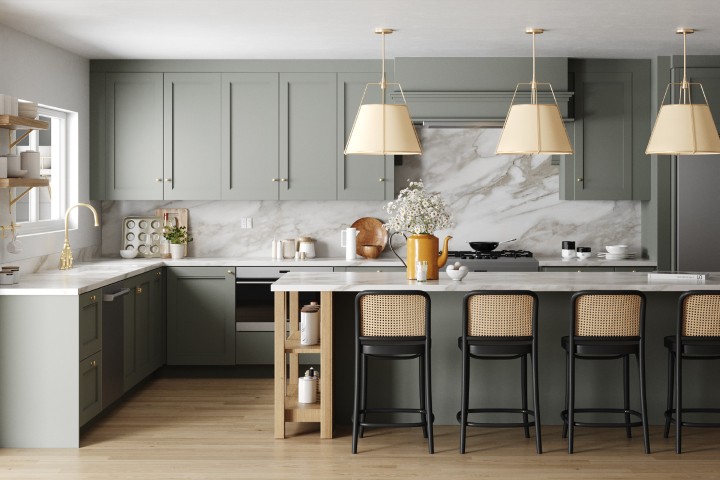
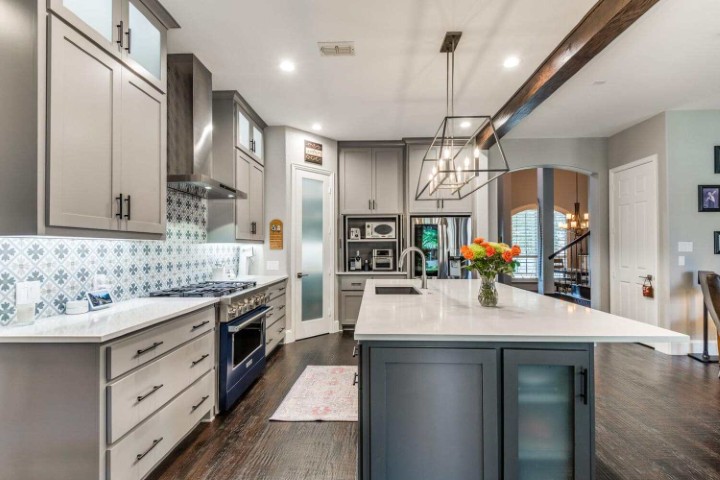
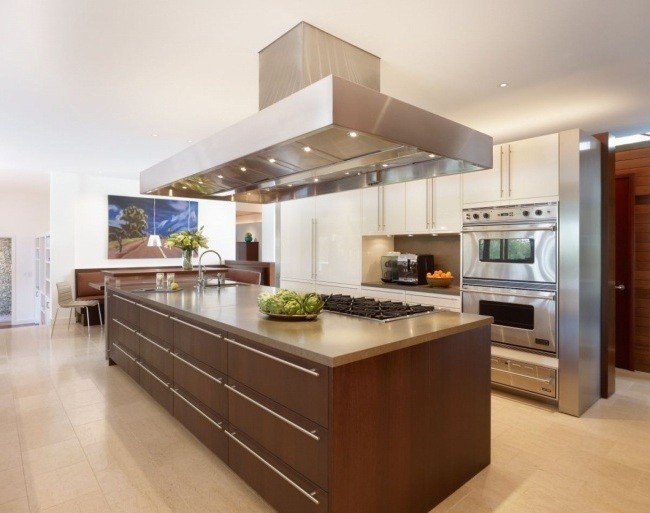
A modern kitchen should be the centerpiece of your open-concept layout. Focus on “hidden” appliances—dishwashers and refrigerators that are paneled to look like cabinetry. Use waterfall countertops (where the stone continues down the side of the island) to create those “asymmetrical angles” and “clean lines” mentioned earlier.
The Spa-Like Bathroom
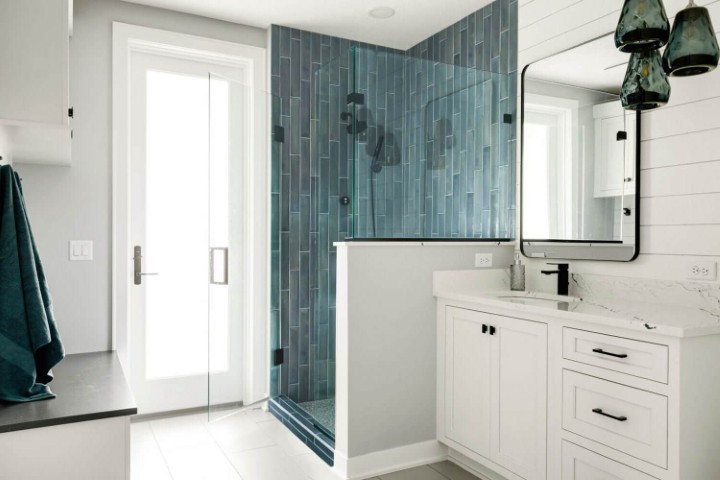
For the bathroom, aim for a minimalist, spa-like atmosphere. Floating vanities (cabinets that don’t touch the floor) create a sense of more space. Use large-format tiles to reduce grout lines, contributing to that “cleaner and neater” look.
-
Sustainability: The Green Modern Renovation
Modern design in the current era is inextricably linked to sustainability. A renovation that ignores the environment is not truly modern.
Eco-Friendly Materials
Consider using reclaimed wood for your industrial-style accents or recycled metal for your furniture. Low-VOC (Volatile Organic Compound) paints are a must to ensure that your “fresher vibe” also includes healthy air quality.
Insulation and Windows
As mentioned with glass windows, ensure they are double or triple-paned for thermal efficiency. Proper insulation in the walls and roof will ensure that your modern home remains a comfortable sanctuary regardless of the weather, further reducing your carbon footprint and energy bills.
-
Troubleshooting Common Renovation Pitfalls
Even with the best plan, challenges will arise. Being aware of them is half the battle.
Budget Creep
Renovations often reveal hidden problems, like old mold or structural decay. Always set aside a 10-15% “contingency fund” in your plan so that a small surprise doesn’t stop your project in its tracks.
Over-Modernizing
There is a risk of making a home feel “cold” or “clinical.” To avoid this, balance your monochrome color scheme with “organic” textures—a wool rug, a wooden dining table, or indoor plants. These elements add warmth without sacrificing the modern aesthetic.
Recommendations for a Smooth Renovation Process
Recommendation 1: Audit Your Lifestyle Before You Design
What it means:
Before choosing materials, colors, or layouts, take time to analyze how you actually use your home.
Why it matters:
Many renovation mistakes happen when people design for inspiration photos instead of real life. A stunning kitchen is useless if it does not fit your cooking habits. A minimalist living room can feel cold if you host guests often.
Ask yourself practical questions:
- Do you cook daily or occasionally?
- Do you work from home and need acoustic privacy?
- Do you entertain guests or prefer quiet evenings?
- Do you need child-friendly or pet-friendly materials?
When to do it:
This audit should happen before architectural drawings or contractor quotes. It influences room layout, storage needs, lighting placement, and even material choices.
Designing for your real lifestyle ensures your modern home is not just beautiful—but livable.
Recommendation 2: Order Materials Early to Avoid Delays
What it means:
Secure key materials well before construction begins.
Why it matters in 2026:
While supply chains have improved, delays still happen—especially for luxury or custom items. Chandeliers, custom tiles, imported fixtures, and smart home systems often have long lead times.
Late materials cause:
- Contractor downtime
- Schedule disruptions
- Increased labor costs
- Compromised design decisions
Priority items to order early:
- Lighting fixtures (chandeliers, pendants, recessed systems)
- Custom cabinetry
- Specialty tiles or stone slabs
- Smart switches and control panels
When to order:
Ideally, 4–8 weeks before construction starts, or earlier for custom-made items.
Early ordering protects your timeline and preserves your original design vision.
Recommendation 3: Maintain Clear and Daily Communication
What it means:
Establish a consistent communication system with your renovation team.
Why it matters:
Modern design relies on precision. Slight mistakes—like incorrect angles, misaligned lighting, or poorly placed outlets—can ruin the entire aesthetic.
Best practices:
- Keep a daily communication log (digital or physical)
- Confirm decisions in writing
- Review drawings and measurements frequently
- Address small issues immediately before they escalate
When it’s most important:
During structural changes, electrical installation, and finishing stages.
Clear communication prevents costly rework and ensures your modern design details are executed correctly.
Recommendation 4: Focus on Lighting Layers, Not Just Fixtures
What it means:
Modern homes should use multiple lighting layers instead of relying on a single overhead light.
Why lighting matters:
Lighting defines mood, enhances architecture, and improves functionality. Poor lighting can make even the most expensive renovation feel flat.
Three essential lighting layers:
- Ambient lighting – General illumination (recessed lights, ceiling fixtures)
- Task lighting – Functional lighting (kitchen counters, desks, reading areas)
- Accent lighting – Decorative emphasis (artwork, textured walls, shelves)
When to plan lighting:
Before electrical rough-in. Lighting placement must be integrated into the architectural plan—not added as an afterthought.
A well-lit modern home feels warm, dynamic, and intentional.
Modern Renovation Cost Estimates in 2026
Renovation costs vary widely depending on location, materials, and scope. Below is a realistic cost breakdown for a modern home renovation in the United States.
-
Design & Planning Costs
- Interior designer or architect: $2,000 – $8,000
- 2D/3D renderings: $500 – $3,000
-
Structural & Layout Changes
- Wall removal (non-load-bearing): $1,000 – $3,000 per wall
- Load-bearing wall removal: $5,000 – $12,000
- Open-concept conversion (average): $8,000 – $25,000
-
Flooring
- Luxury vinyl plank: $4 – $8 per sq ft
- Engineered hardwood: $7 – $15 per sq ft
- Polished concrete or tile: $6 – $18 per sq ft
-
Kitchen Modernization
- Cabinets (modern style): $6,000 – $18,000
- Countertops (quartz, stone): $3,000 – $8,000
- Appliances: $5,000 – $15,000
- Total kitchen renovation: $18,000 – $45,000
-
Bathroom Renovation
- Modern fixtures and tiling: $8,000 – $20,000 per bathroom
-
Lighting & Electrical
- Full lighting redesign: $2,500 – $7,000
- Smart home integration: $3,000 – $10,000
-
Painting & Finishing
- Professional interior painting: $3,000 – $8,000
- Premium finishes increase costs by 10–20%
- Estimated Total Cost (Average Modern Renovation)
| Home Size | Estimated Cost |
| Small home / apartment | $25,000 – $50,000 |
| Medium-sized home | $50,000 – $90,000 |
| Large home / luxury modern | $90,000 – $150,000+ |
Final Checklist for Your Modern Renovation
Before starting, confirm you have addressed the following:
- Plan: Every room measured and documented
- Style: Industrial, Luxury Modern, or Minimalist selected
- Flow: Open-concept layout optimized
- Light: Natural and artificial lighting maximized
- Color: Cohesive palette (black, white, gray, or earth tones)
- Technology: Smart systems and wiring upgraded
Final Thoughts
A modern home renovation is not just about appearance—it is about creating a space that supports your lifestyle, reflects your personality, and increases long-term value. When done correctly, modern design delivers clarity, comfort, and efficiency.
By auditing your lifestyle, planning materials early, communicating clearly, and investing in thoughtful lighting and layout decisions, you turn a challenging renovation into a rewarding transformation.
Modernity is not merely a style.
It is a way of living—defined by light, space, intention, and balance.