The Evolution of Home Entertainment
Watching a movie is a fun and enjoyable activity that transcends age and background. Traditionally, to experience the magic of a box-office hit, you may need to go to a public theater or cinema. However, for those who value privacy, comfort, and the ability to pause the action, watching a movie can be done much more effectively inside the home. By installing a home theater, you can create a special room dedicated to the art of cinema.
Spending time watching movies with your family in a private setting gives you several advantages that public theaters cannot match. You can sit comfortably in your favorite chair, enjoy more personal space, and bring whatever food or snacks you desire without inflated prices. Furthermore, you can watch the movie anytime without the limitations of a theater schedule. This versatility is exactly why the home theater is getting more popular among modern homeowners.
However, for those who live in a small house or an urban apartment, setting aside a room for a theater may feel difficult. This is where inspiring small home theater ideas come into play. By managing your furniture and choosing the right technology, you can turn even the smallest alcove into a world-class cinematic retreat.
-
Technical Planning: The Foundation of the Small Home Theater
Before you pick out paint colors or buy a sofa, you must consider the technical setting of your home theater. In a small space, the margin for error is slim. You need to focus on three pillars: viewing angles, sound clearance, and seating ergonomics. You must ensure that everyone can see and hear the movie clearly from any area of the home theater.
The Mathematics of Viewing Distance
The seating distance is the most critical calculation in a small room. A common industry rule for an immersive experience is to determine your screen size first. Once you have determined the size of the screen, you can calculate the optimal seating distance by dividing the size of the screen by 0.84 (or using the 84-degree field of view calculation). For instance, if you have a 65-inch screen, the math suggests a specific range that prevents eye strain while maximizing immersion. In a small home theater, this ensures that the screen doesn’t overwhelm the viewer while still feeling “large”.
Choosing Your Display: LCD vs. Projector
The choice of display depends largely on the light levels in your room:
- LCD and LED TVs: These are perfect for small home theaters with windows or ambient light. They produce a bright, high-contrast image that remains visible even when the room isn’t perfectly dark.
- Projectors: These are more suitable for windowless rooms or basements where light can be fully controlled. In 2026, projectors offer incredible variety. You can choose from LCD, LCOS, DLP, High-Lumen, Lens Shift, 3D, Anamorphic, and 4K models.
- Pro Tip: For a tiny room, look for “Short Throw” projectors that can project a 100-inch image from just a few feet away.
-
Audio Engineering: Hearing Every Whisper and Explosion
The clearance of sounds is just as important as the image. In a small room, sound can bounce off walls, creating “muddiness.” You need to consider the number and placement of your speakers to define the quality of the sound.
Speaker Power and Channels
Normally, a home theater uses five to seven channels plus an LFE (Low-Frequency Effects) channel—commonly known as 5.1 or 7.1 surround sound. For optimum quality in a small room, check the speaker’s power handling. It is recommended to buy speakers with a power of at least 50 watts RMS (Root Mean Square). RMS refers to the continuous power a speaker can handle, providing a more accurate measure of performance than “peak” power.
Receiver Capacity and Wiring
You also need to consider the power capacity of your receiver. The receiver is the “brain” of your theater; it must have enough juice to power all channels so that everyone can hear the sound properly. This also affects your wiring choices. In a small space, you should choose high-quality, shielded wiring to prevent interference, especially since wires will likely be tucked close to other electronic devices.
-
Room Selection: Utilizing “Forgotten” Spaces
The design of your small home theater depends heavily on the type of room you choose. You don’t need a massive hall; you just need a smart layout.
The Basement: The Natural Choice
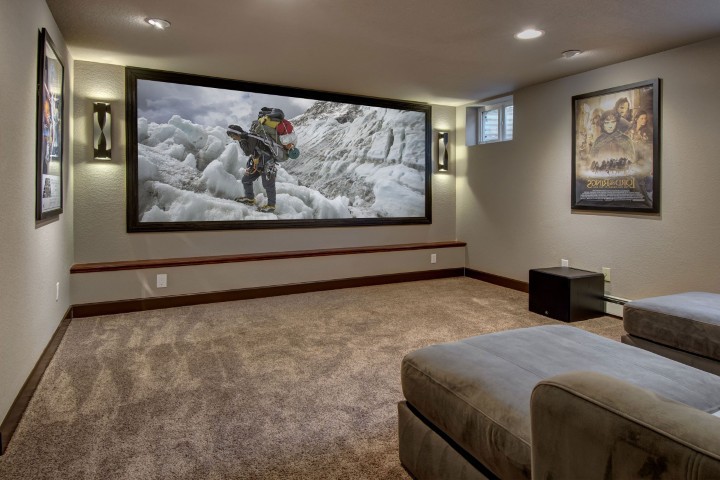
If you have a basement, you can utilize it as the ultimate home theater. Basements typically have minimum natural lighting, making it easy to control the environment. Additionally, being underground provides natural sound insulation, which prevents other people in the house or the neighborhood from getting disturbed by the sound of the movie.
The Walk-In Closet: The “Micro-Cinema”
For those in very small apartments, utilizing a walk-in closet room is a brilliant alternative. Like a basement, a closet has minimum natural light. By removing the shelving and installing acoustic foam, you can create a “Micro-Cinema” that is cozy and incredibly private.
The Bedroom Theater
Using the space of the bedroom is another popular small home theater idea. This offers the advantage of watching movies before sleeping and sitting more comfortably in your bed. It turns your private sleeping quarters into a multi-functional entertainment suite.
-
Interior Design: Aesthetics for Immersion
The design of the small home theater ideas should focus on “Cozy Minimalism.” In a small room, too much decor can be distracting.
The Power of Dark Colors
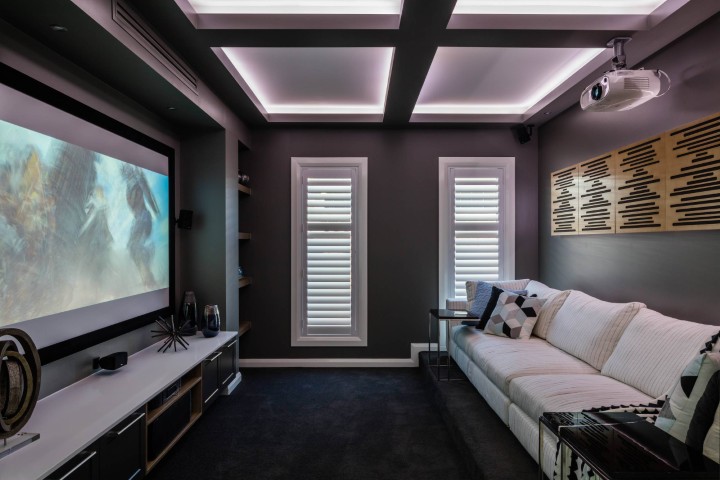
As mentioned previously, you should paint the walls with a dark color—such as charcoal, navy blue, or deep forest green. This reduces the amount of light reflected from the screen back onto the walls, which improves the “perceived contrast” of your TV or projector. It also creates a cozy, “womb-like” atmosphere that helps you get lost in the story.
Lighting and Ambiance
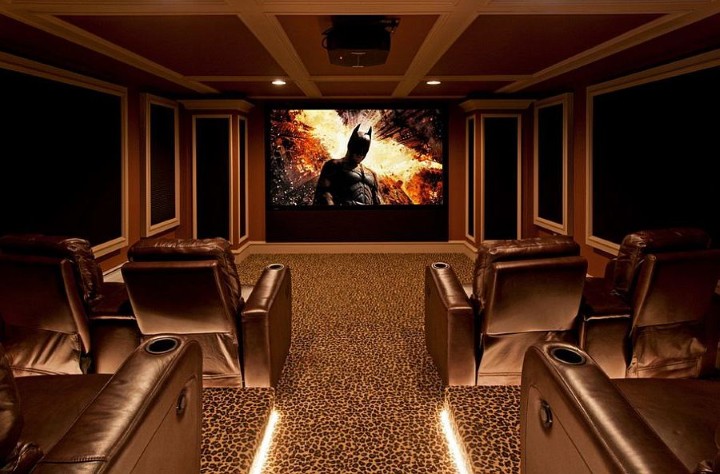
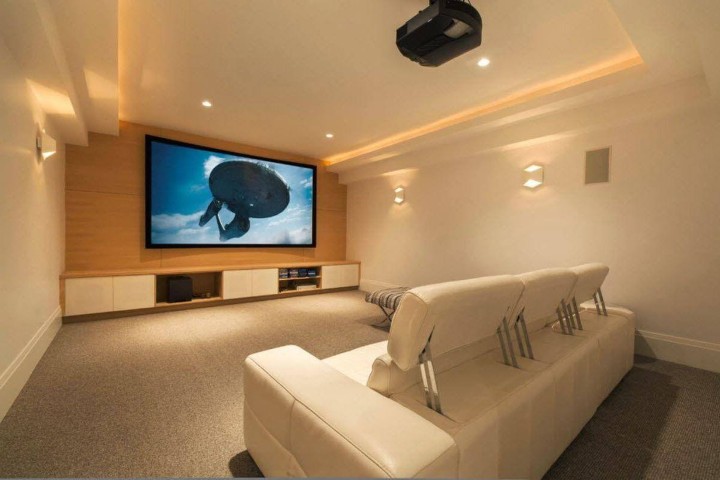
Dimmed lamps or smart LED strips can be installed on the walls or along the floor. This provides a “pathway” light similar to real cinemas, improving safety and quality. High-quality art or movie posters can be added, but they should be framed with non-reflective glass to avoid glare.
Hiding the Clutter
A small room can quickly look messy with wires. You need to adjust the setting of the wires inside the home theater by using tubing or cable raceways. By hiding the wires, the interior design of the home theater will not get disturbed, maintaining a sleek and professional look.
-
Thematic Layouts: Personality in Design
The setting of your small home theater defines the personality of the people who live there. You can go beyond a standard black room and choose a theme that resonates with your hobbies.
The Sports Fan’s Sanctuary
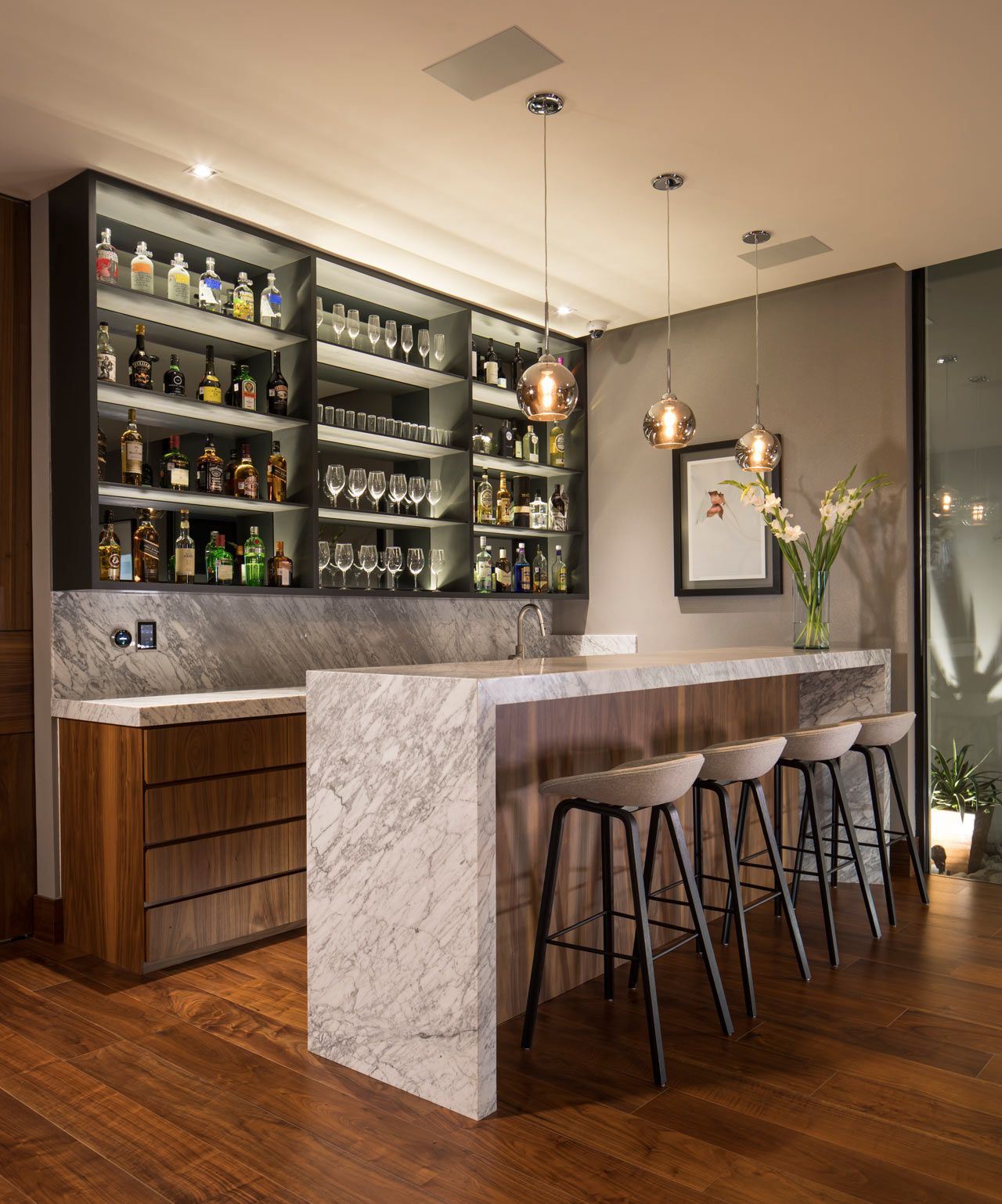
For people who love sports, design a theater with “Sports Domination.” Instead of one screen, you could equip the room with a primary screen and 5 to 7 smaller LCD TV screens to track multiple games at once. Use a black sofa and black walls to make the colors of the jerseys pop. Hang sports t-shirts from your favorite football or basketball clubs on the wall as art. To complete the experience, install a small home bar in the spare space for drinks and snacks during halftime.
The Sci-Fi “Starship” Theme
If you like to watch science fiction, use a “Galaxy” or “Interstellar” theme. Place a single widescreen in the center of the room to serve as your “viewscreen.” Install high-end speakers on both sides. Paint the walls black, but add purple or “Deep Space Blue” accent lighting. You can even use fiber-optic “star” lights on the ceiling to simulate being in deep space while you watch your favorite sci-fi epics.
-
Comfort and Seating: Maximize the Small Footprint
In a small home theater, your choice of furniture is just as important as your choice of tech.
Sofa vs. Theater Seating
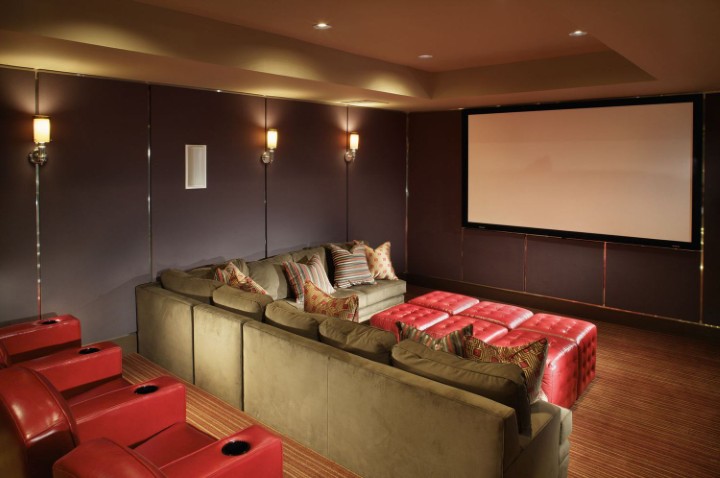
While traditional theater seats look cool, they can be bulky. For a small room, a deep-seated sofa or a sectional is often better. It allows for “snuggling” and can accommodate more people than individual chairs. If you use the bedroom as your theater, your bed already serves as the ultimate comfortable seating.
Acoustic Treatments
In a small room, sound can become “boomy.” To fix this, you may need to add acoustic panels. These don’t have to be ugly; modern panels come in various colors and designs that look like abstract art. They help absorb excess sound, ensuring that the dialogue is crisp and the bass doesn’t rattle the walls.
Small Home Theater Ideas (2026 Edition): Smart Design, Real Costs, and Mistakes to Avoid
Creating a small home theater in 2026 is no longer about copying a commercial cinema. It is about comfort, smart technology, and intelligent space planning. With better projectors, compact speakers, and affordable smart home systems, even a small bedroom, basement, or spare room can become a cinematic sanctuary.
This guide walks you through what works, why it matters, when to choose each option, and how to execute it step by step, complete with realistic cost estimates. Whether you are on a tight budget or planning a premium setup, this article will help you build a small home theater that looks professional, sounds immersive, and feels personal.
What Defines a “Small” Home Theater?
A small home theater typically refers to a room between:
- 90–150 sq ft (8–14 m²)
- Common sizes: 10×10 ft, 10×12 ft, or 12×12 ft
These spaces demand precision, not excess. Oversized equipment, poor seating distance, or bad acoustics will quickly ruin the experience. The goal is not volume—it is balance.
Why Small Home Theaters Are More Popular in 2026
-
Rising Home Entertainment Quality
Modern 4K and laser projectors now deliver excellent brightness even in compact rooms. Dolby Atmos systems are available in smaller speaker formats without sacrificing immersion.
-
Smart Home Integration
Smart automation allows users to control lighting, sound, curtains, and screens with one command, eliminating clutter and improving usability.
-
Cost Efficiency
A well-designed small home theater often costs 40–60% less than a large dedicated cinema room while delivering nearly the same emotional impact.
Smart Home Integration (The 2026 Update)
Modern small home theater ideas increasingly rely on smart home ecosystems. Instead of juggling multiple remotes, users connect everything to a single control hub.
What Can Be Integrated?
- Lighting (dimmable LED or smart bulbs)
- Projector or TV
- AV receiver
- Motorized curtains or blinds
- Sound system
- Climate control (optional)
Why It Matters in Small Spaces
Small rooms amplify clutter—both visual and functional. Smart integration:
- Eliminates bulky control boxes
- Reduces cable chaos
- Improves accessibility
- Creates a “cinema moment” instantly
Example Scenario
With one voice command or button tap:
- Lights dim to 10%
- Curtains close
- Projector turns on
- Audio switches to surround mode
This “one-touch cinema mode” is ideal for compact rooms where simplicity equals comfort.
Cost Estimate (Smart Integration)
- Smart hub (Alexa / Google Home): $50–$150
- Smart dimmer switches or bulbs: $80–$300
- Motorized curtains (optional): $400–$1,200
- Setup & configuration: $100–$300
- Estimated Total: $230 – $1,950
Display Choices for Small Home Theaters
TV vs Projector: When to Choose What?
4K TV (Recommended for Bright Rooms)
Best when:
- Room width under 10 ft
- Ambient light cannot be fully controlled
- Seating distance under 8 ft
Pros
- Sharp image
- No lamp replacement
- Easy setup
Cons
- Screen size limited (75–85” max)
- Less cinematic feel
- Cost: $800 – $2,500
Short-Throw / Ultra Short-Throw Projector
Best when:
- You want a 100–120” screen
- Room is small but light-controlled
- You want cinematic immersion
Pros
- Huge image in small spaces
- Modern laser models last 20,000+ hours
Cons
- Needs proper screen
- Higher upfront cost
Cost:
- Projector: $1,500 – $4,000
- Screen: $300 – $1,200
Seating Distance & Screen Placement (Critical but Often Ignored)
Why Screen Height Matters
Placing screens too high causes neck strain—one of the most common home theater mistakes.
Rule of Thumb:
- Center of the screen should be at seated eye level
- Viewing distance = 1.2–1.5× screen width
This rule ensures comfort during long movie sessions.
Sound Systems for Small Rooms
What Works Best?
Soundbar Systems (Entry Level)
- Compact
- Wireless subwoofer
- Easy to install
- Cost: $300 – $800
5.1 Surround Sound (Mid-Range Sweet Spot)
- Front left/right
- Center channel
- Two surrounds
- Subwoofer
Why it works:
Delivers true surround without overcrowding the room.
- Cost: $1,200 – $2,500
Dolby Atmos (High-End Small Room)
- 7.2.4 configuration (with ceiling or up-firing speakers)
- Requires precise calibration
- Cost: $3,500 – $8,000+
Common Mistakes to Avoid in Small Home Theaters
-
Over-Sized Speakers
Large floor-standing speakers overpower small rooms and muddy acoustics.
Better choice: High-quality bookshelf speakers.
-
Ignoring Ventilation
Electronics generate heat fast in small spaces.
- Add ventilation grills
- Use silent exhaust fans
- Leave airflow gaps in cabinetry
-
Poor Screen Placement
Mounting screens too high (the “TV over fireplace” habit) leads to discomfort and fatigue.
-
Skipping Acoustic Treatment
Bare walls create echo and harsh sound.
- Use acoustic panels
- Add rugs, curtains, or fabric seating
Budgeting for Your Small Home Theater
Entry-Level Setup ($1,200 – $2,500)
- 4K TV
- Soundbar + subwoofer
- Existing sofa
- Basic lighting control
Best for: Apartments, beginners, casual viewers
Mid-Range Setup ($3,500 – $6,500)
- Short-throw projector
- 5.1 surround system
- Acoustic panels
- Blackout curtains
Best for: Movie lovers, families
High-End Setup ($8,000 – $15,000+)
- Laser projector + premium screen
- Dolby Atmos audio
- Custom cabinetry
- Smart automation
- Acoustic engineering
Best for: Enthusiasts, dedicated rooms
Step-by-Step: How to Plan a Small Home Theater
Step 1: Measure the Room
Include ceiling height and door placement.
Step 2: Control Light
Use blackout curtains or dark wall colors.
Step 3: Choose Display First
Everything else depends on screen size and distance.
Step 4: Plan Audio Layout
Avoid blocking speakers with furniture.
Step 5: Hide Cables
Use wall conduits, cable raceways, or custom cabinets.
Step 6: Add Smart Control
Simplify daily use and reduce clutter.
Design Styles That Work in Small Spaces
- Dark minimal cinema (black/charcoal walls)
- Modern Scandinavian (warm lighting, clean lines)
- Sci-fi theme (LED accents, metallic textures)
- Sports lounge (wall art, team colors)
Your theater should reflect your personality, not just specs.
When Is the Best Time to Build a Home Theater?
- During home renovation
- When upgrading TV/audio systems
- Before selling or renting premium property
- When entertainment habits shift toward home viewing
A small home theater is not a compromise—it is an optimization. When designed correctly, it delivers immersion, comfort, and pride of ownership that no public cinema can match.
By balancing:
- Technology
- Space
- Budget
- Personal taste
…you create a room that people remember.
Start planning today. Your best movie nights are not in a theater downtown—they’re waiting at home.